
Search in Category
Filter Your Search
Categories
Shop All Inspection Gloves and Finger Cots
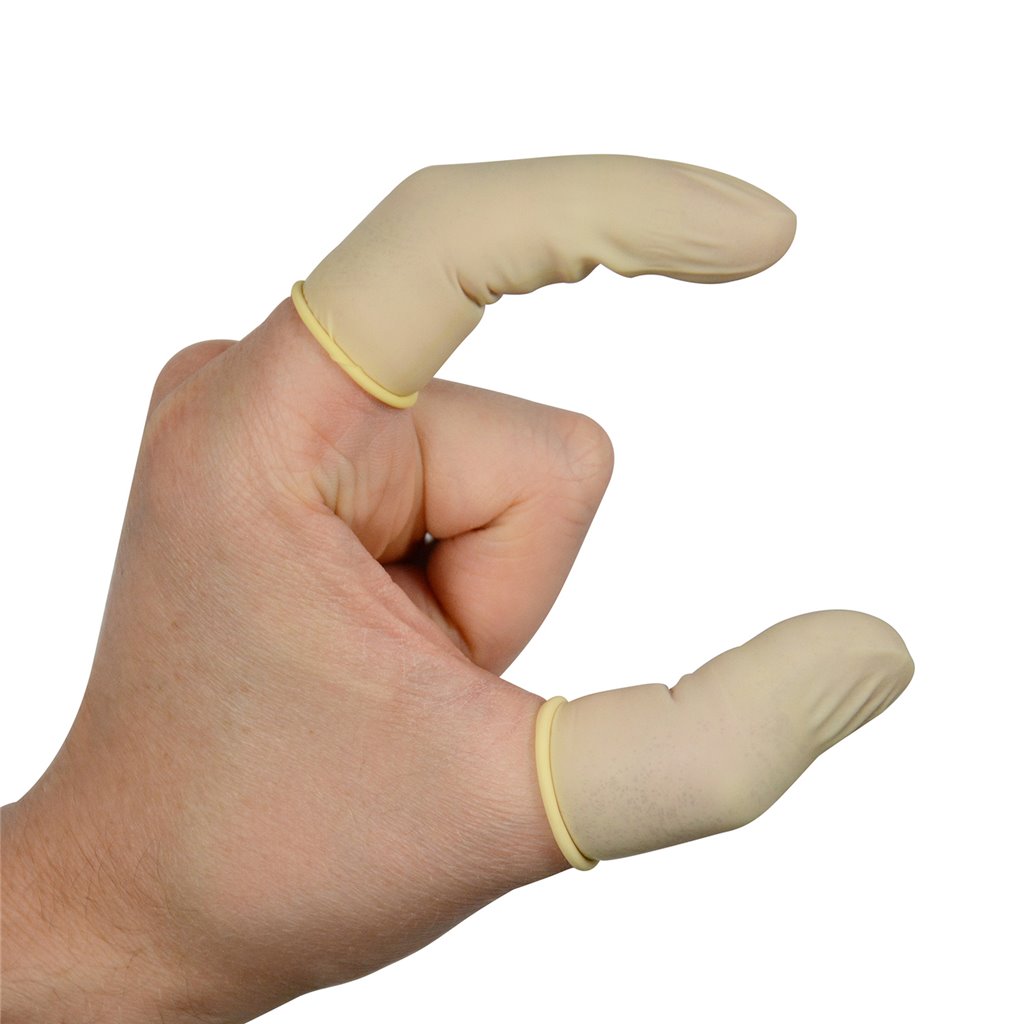
QRP Qualatex Disposable Latex Finger Cots
Don't see what you need?
Click here to let us know and we'll help you find what you're looking for.Inspection Gloves and Finger?Cots
When you're looking for fingertip protection in assembly, lab, or clean-room settings, the right choice of finger cots, finger guards, or inspection gloves can make all the difference. At Masterman's we've built our reputation over 60?years on reliable, service–oriented support paired with gear that performs when it matters.
Why Choose Finger?Cots and Inspection?Gloves?
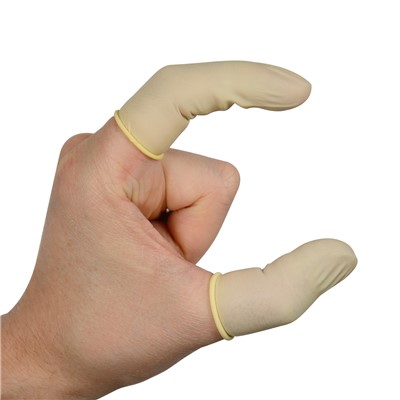
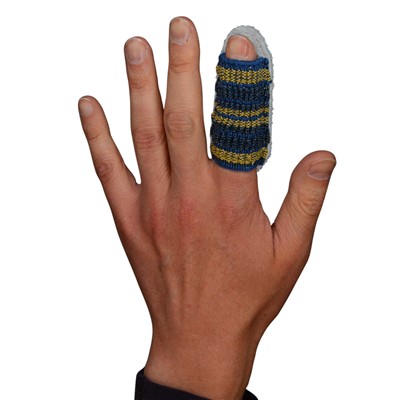
In certain tasks, you may not need full-hand coverage. That's where finger cots and half finger gloves become practical. A finger cot provides a snug covering over one finger or thumb and acts as a barrier when handling sharp, electrostatic, conductive, or contaminated parts.
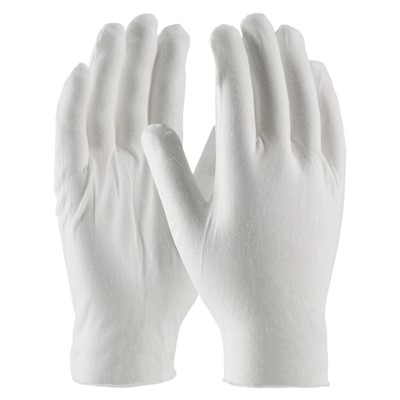
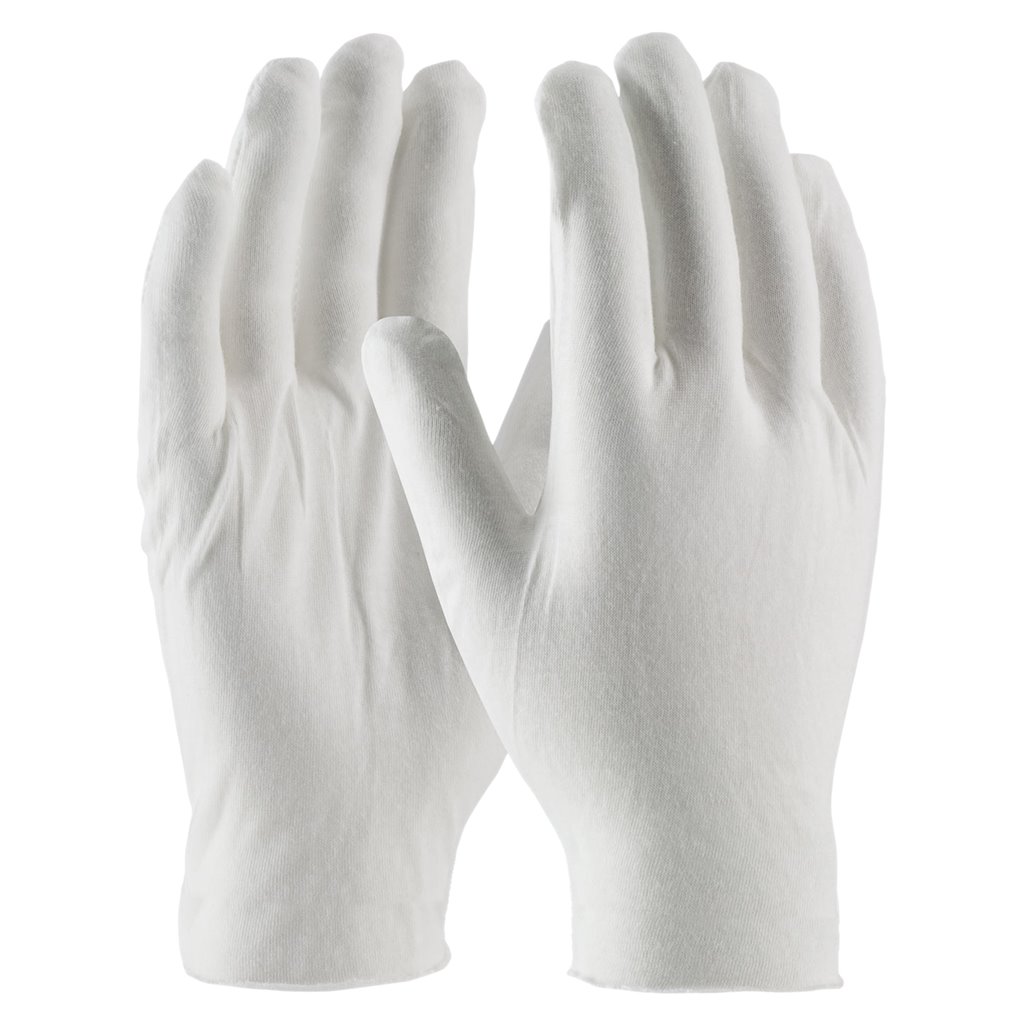
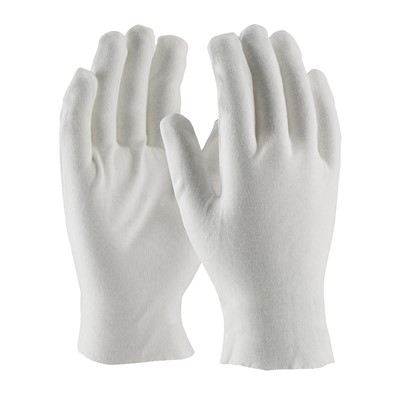
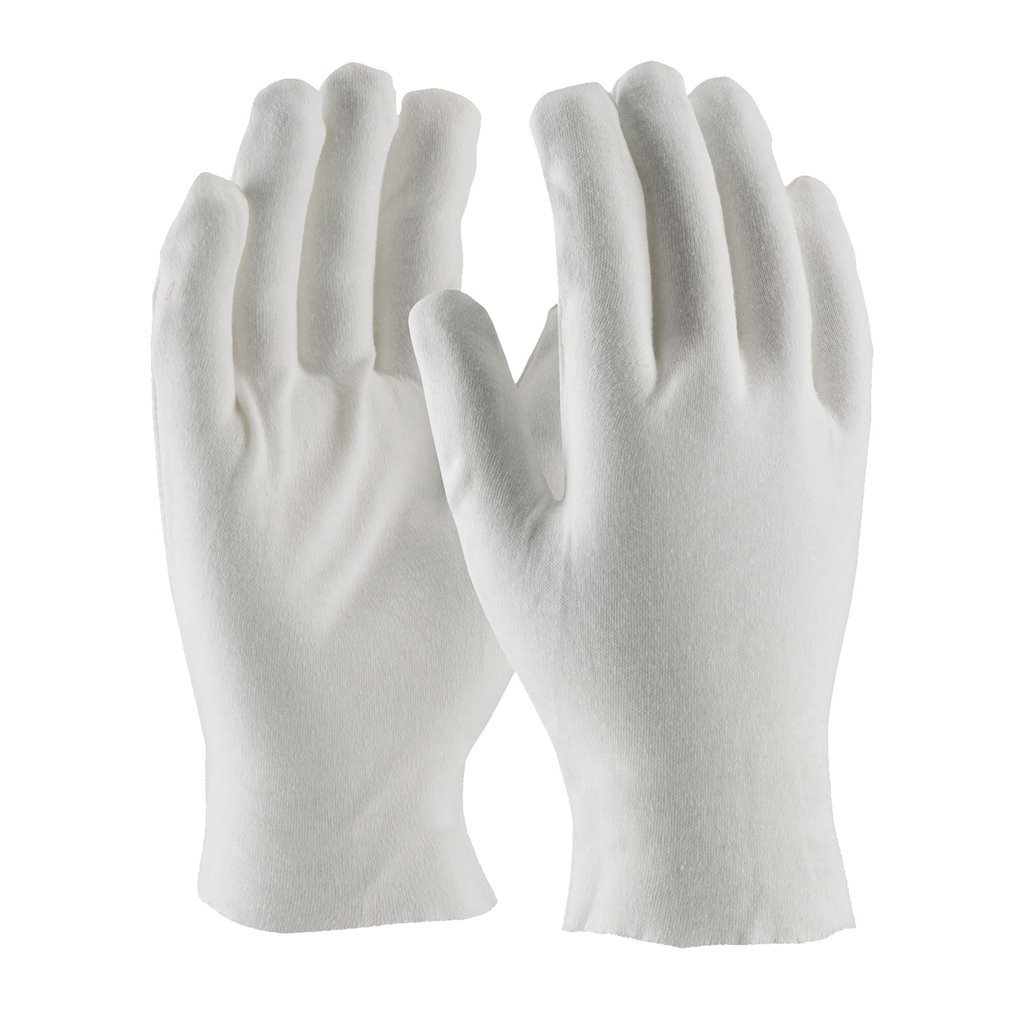
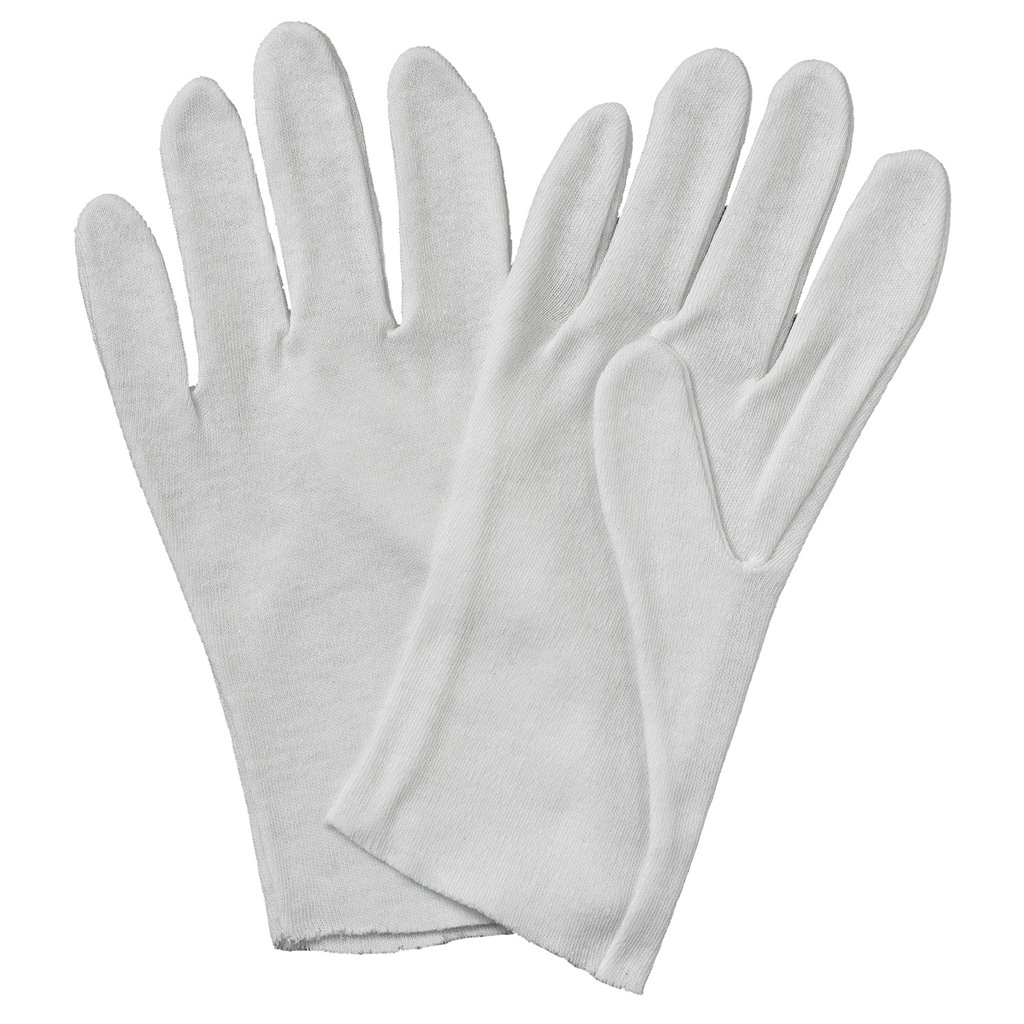
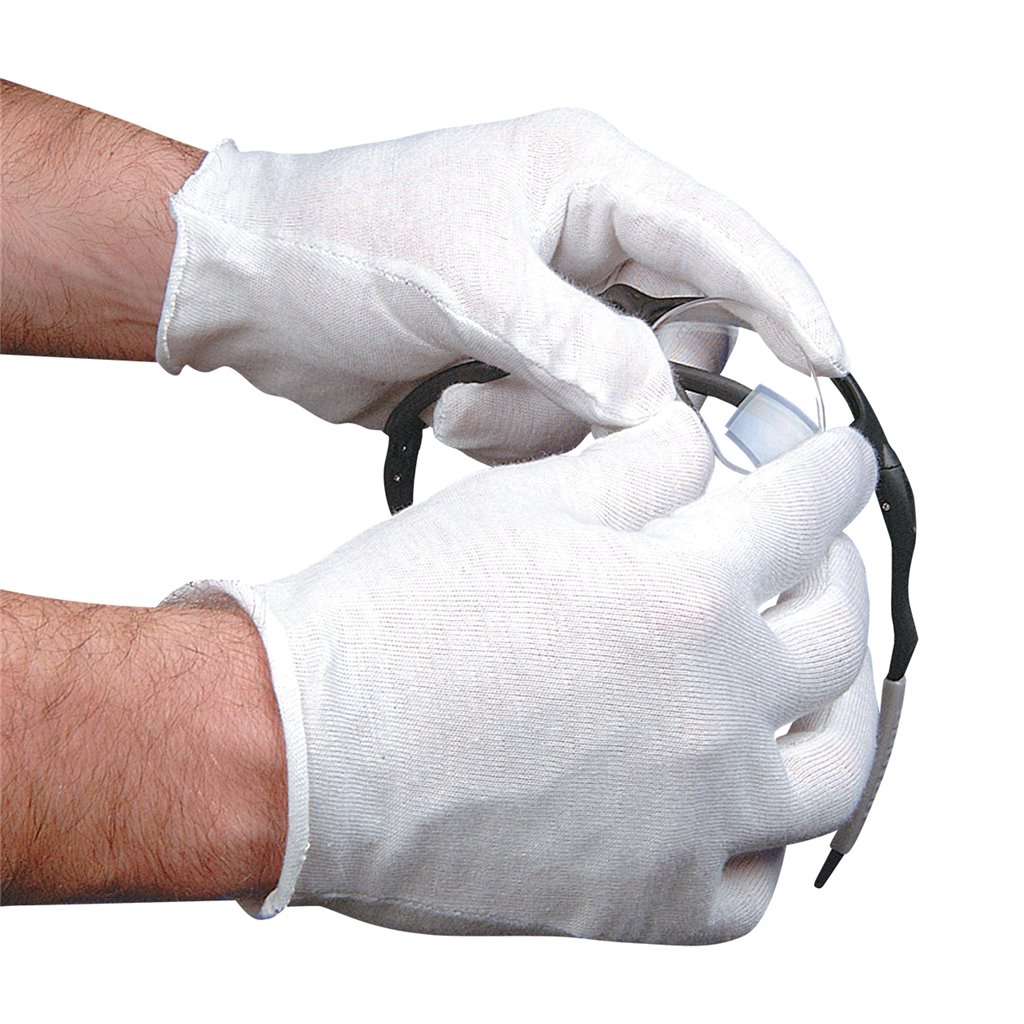
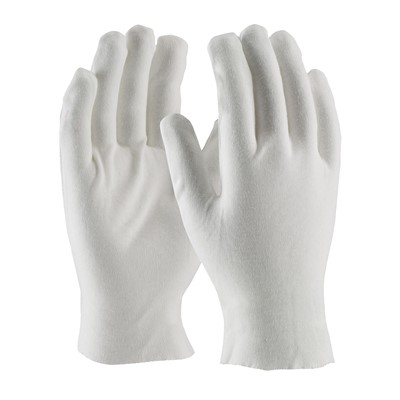
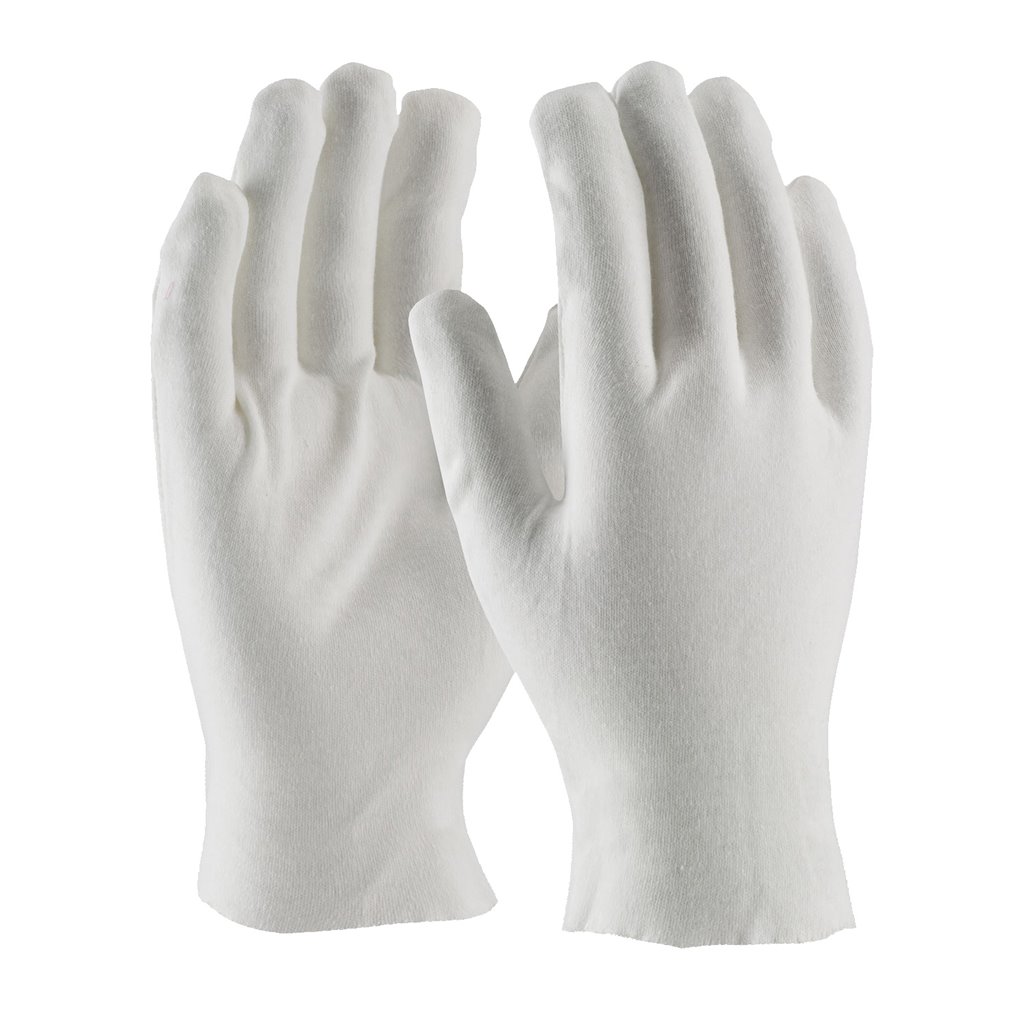
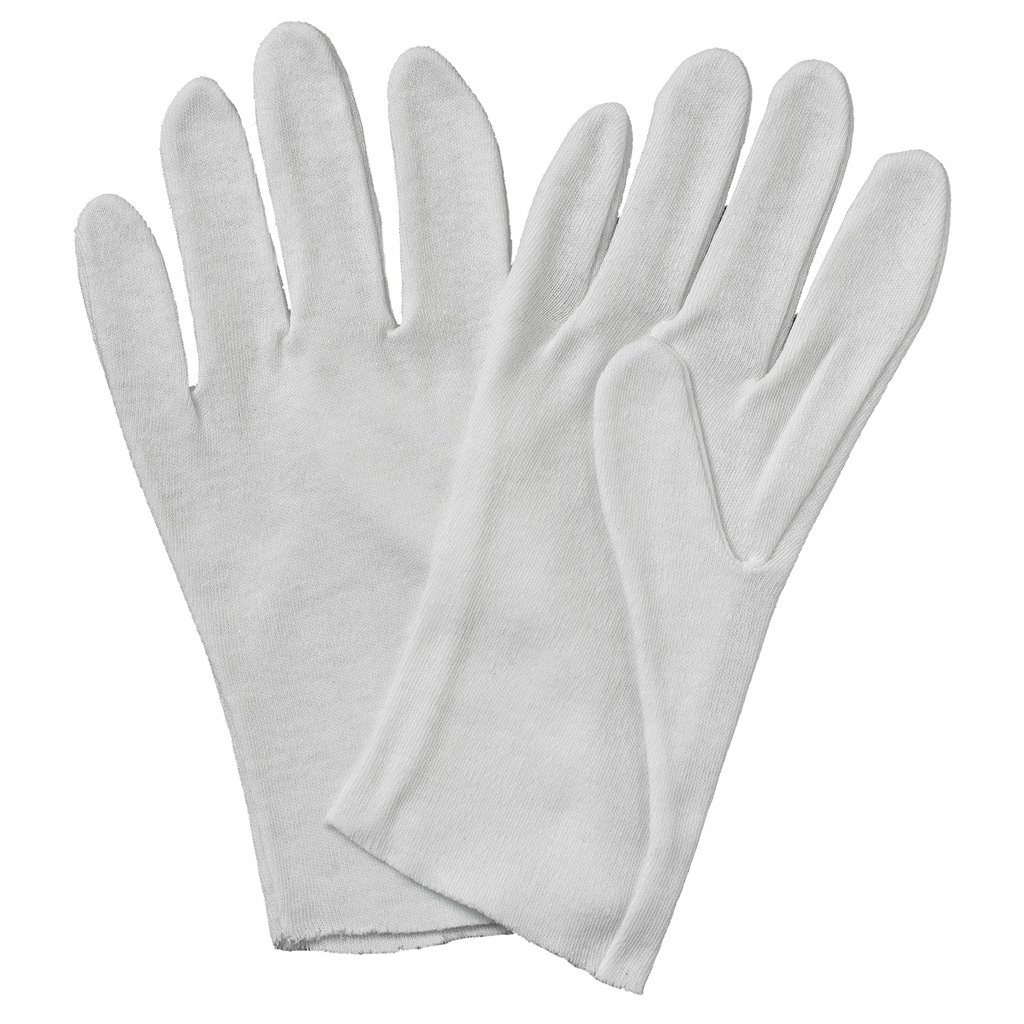
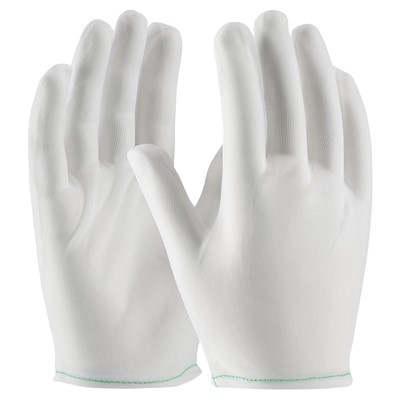
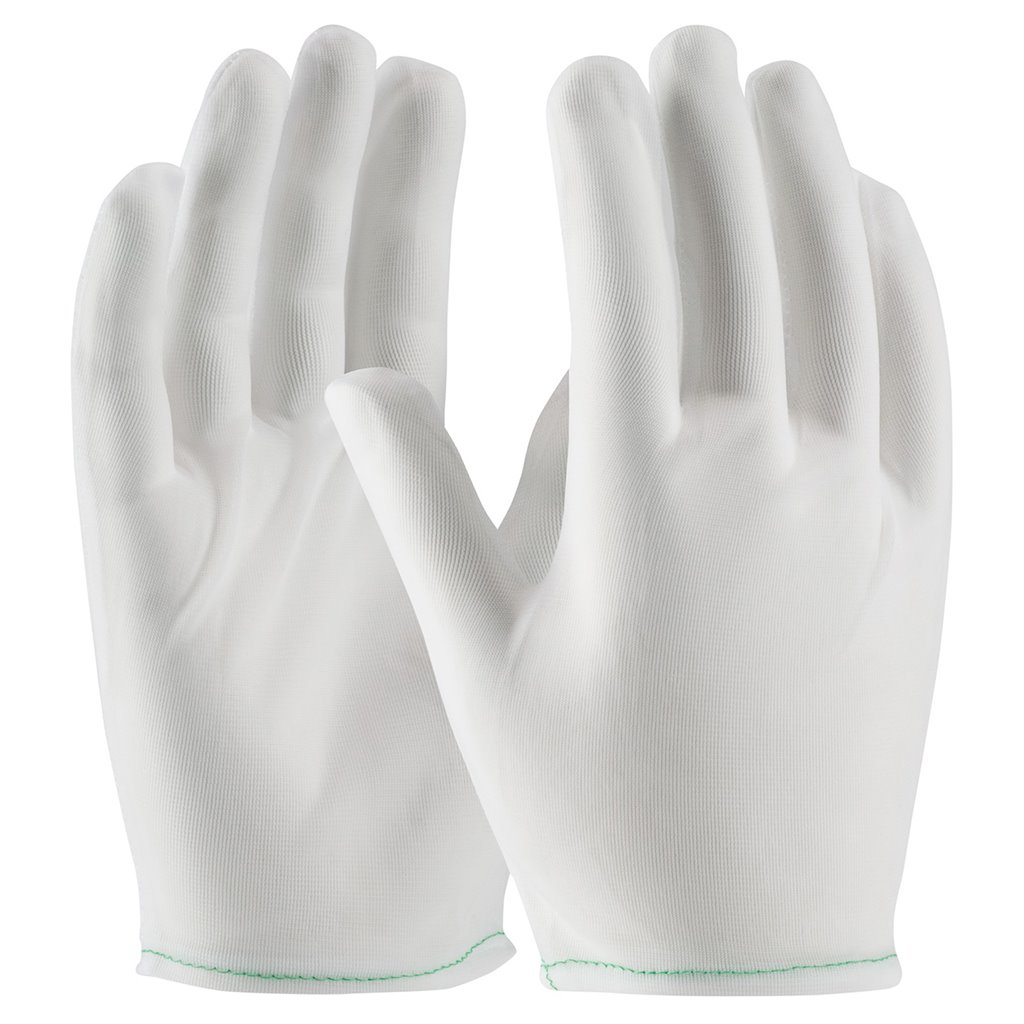
Inspection gloves, including white inspection gloves, give you full or partial-hand coverage when you need more flexibility and visibility while still maintaining protection and cleanliness. Both types come into play in electronics, clean-room, assembly, medical, lab, and manufacturing operations.
Material Options You'll Find
At Masterman's, we offer a wide range of hand and fingertip protection under our Inspection Gloves and Finger Cots category to match the needs of your workspace. You'll find options in several materials that suit various industries, from electronics to medical to assembly.
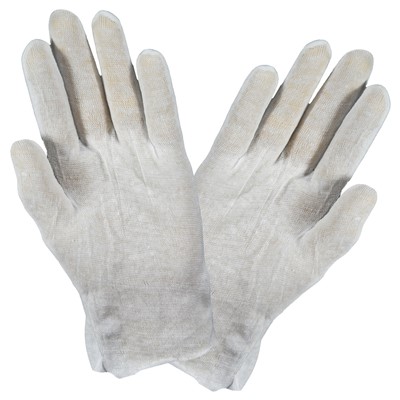
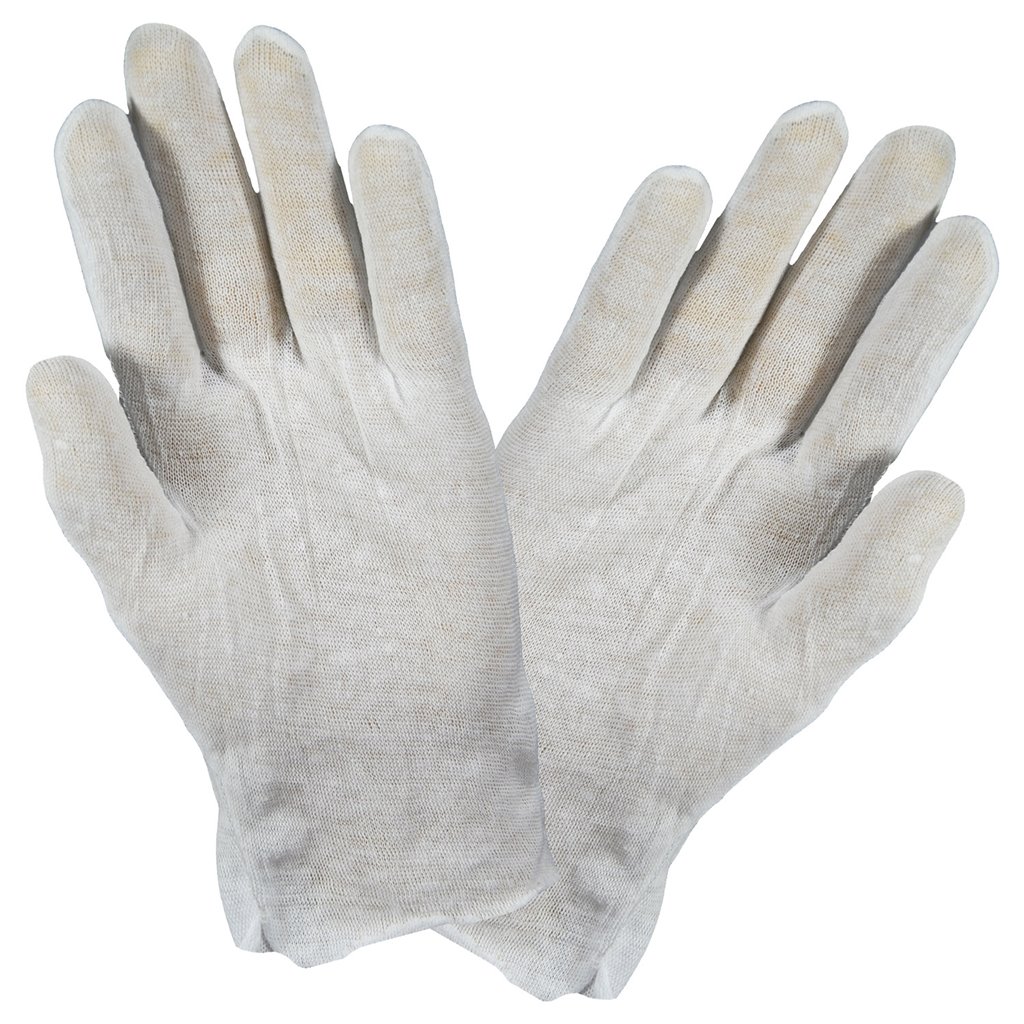
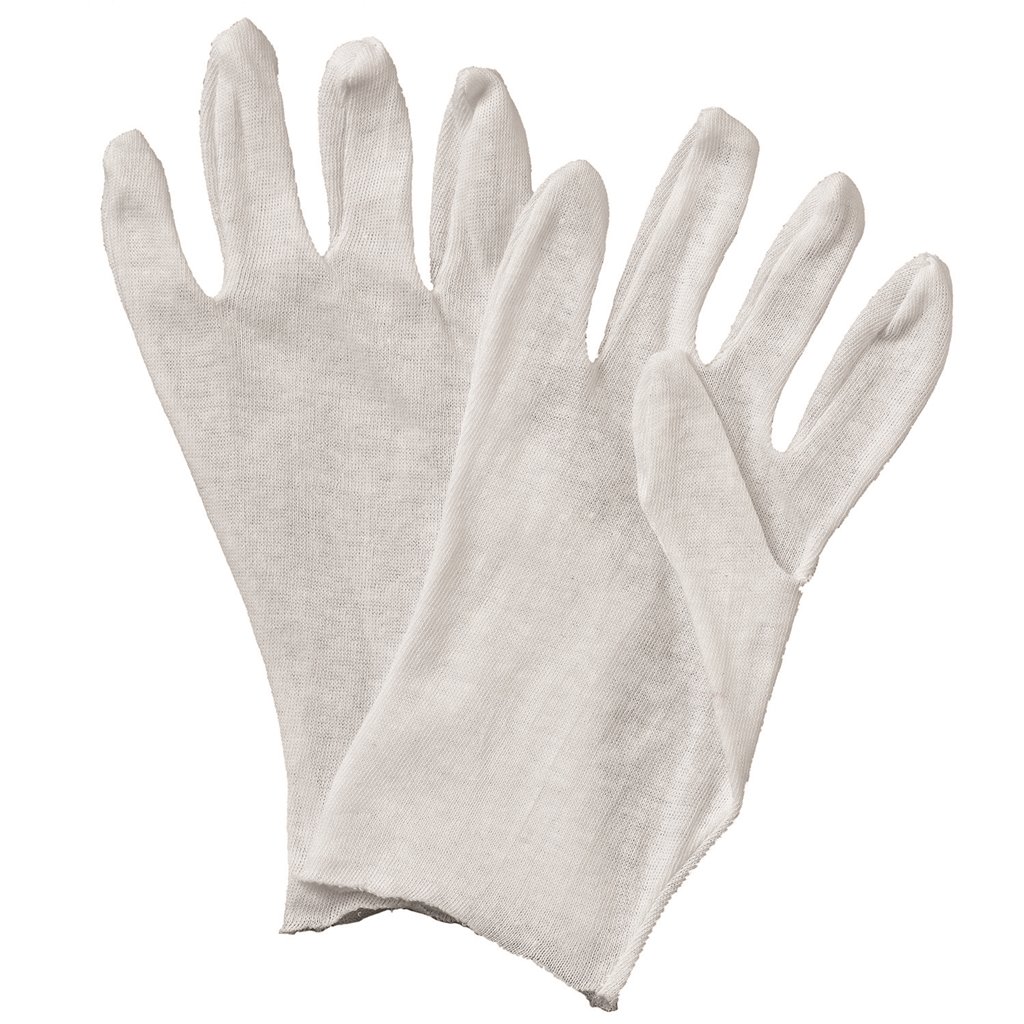
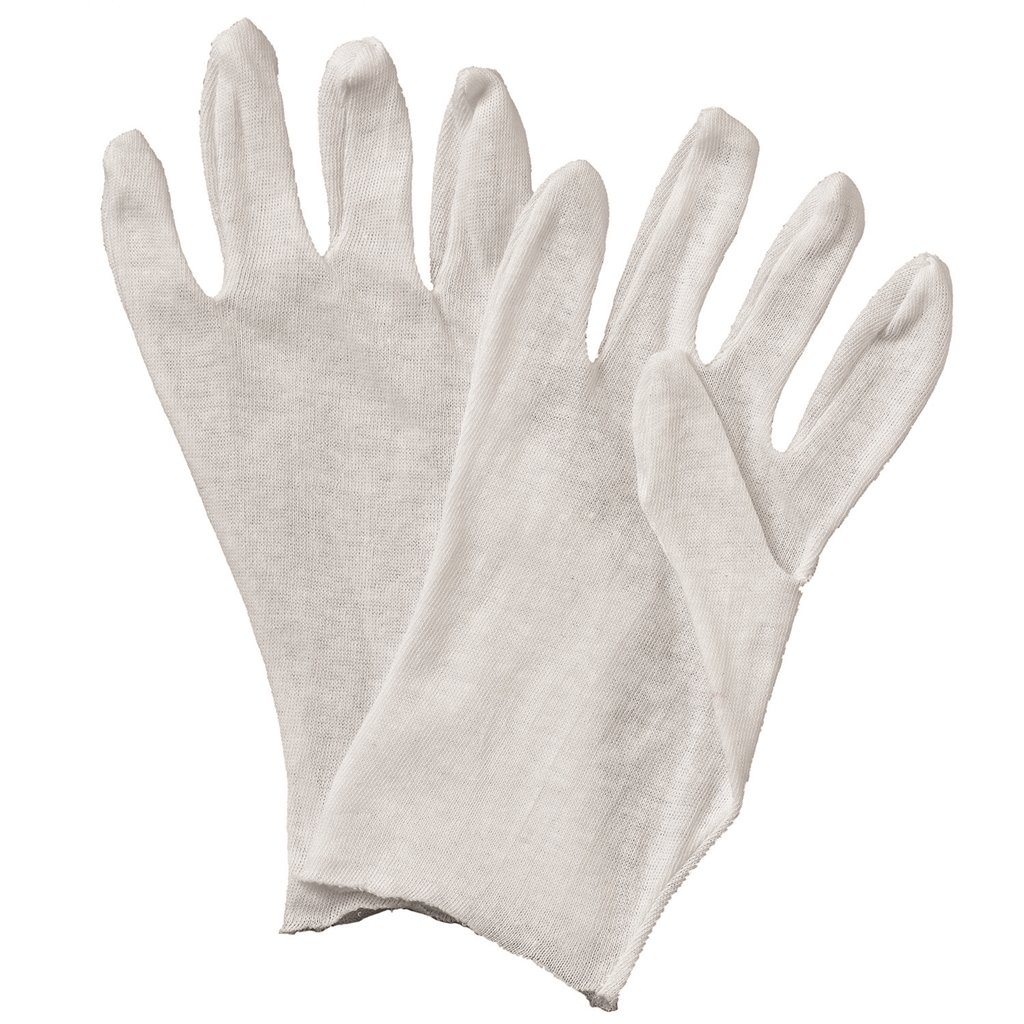
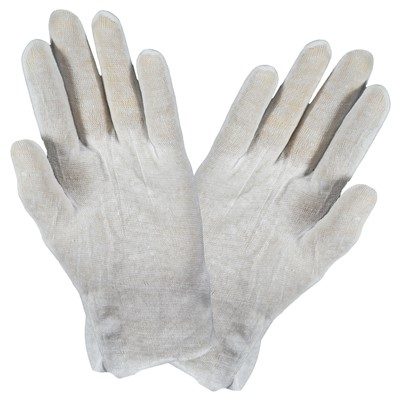
- Cotton: Our cotton inspection gloves offer a soft, breathable fit that protects delicate components from fingerprints and smudges. These gloves are well suited for light assembly, inspection work, or any task requiring a clean, lint-free surface. Use them alongside finger cots for added fingertip protection where needed.
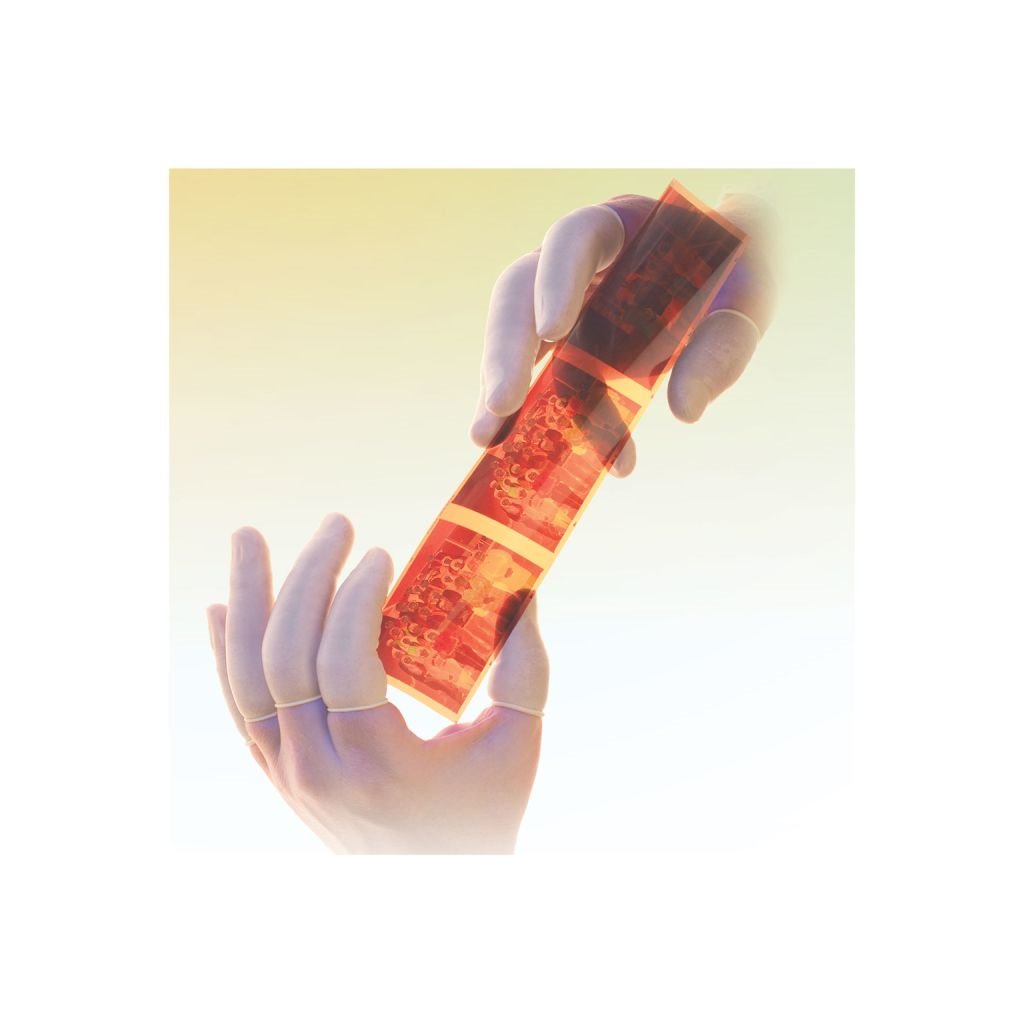
- Latex: We carry latex finger cots and gloves designed for tasks requiring a snug fit and tactile precision. Powder-free and cleanroom rated, these options help reduce contamination while giving you strong grip and fingertip control. Ideal for detailed assembly or lab work where inspection gloves may be too bulky.
- Leather: For heavier-duty applications, our leather finger guards deliver durable protection from abrasion, sharp edges, or contact points. These reusable guards outlast disposable finger cots and are often paired with thumb guards for added coverage in demanding environments.
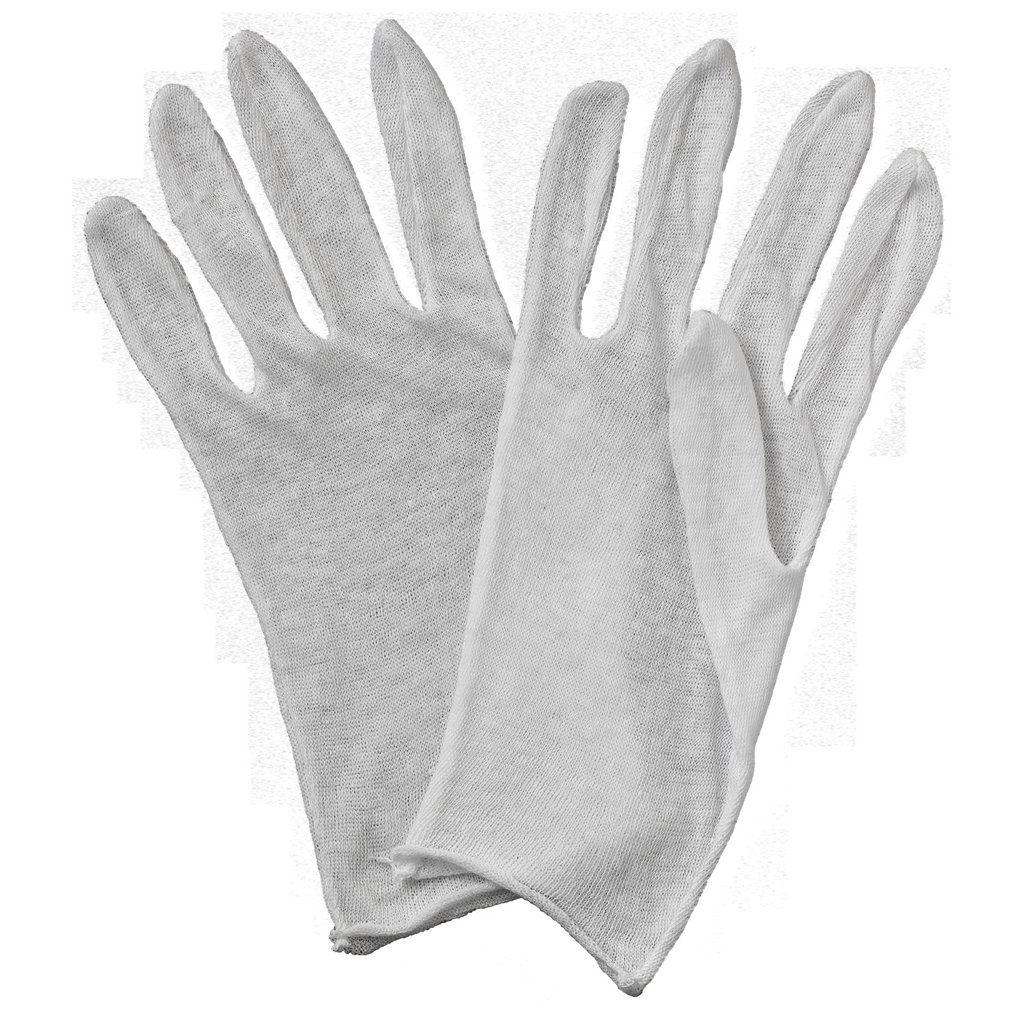
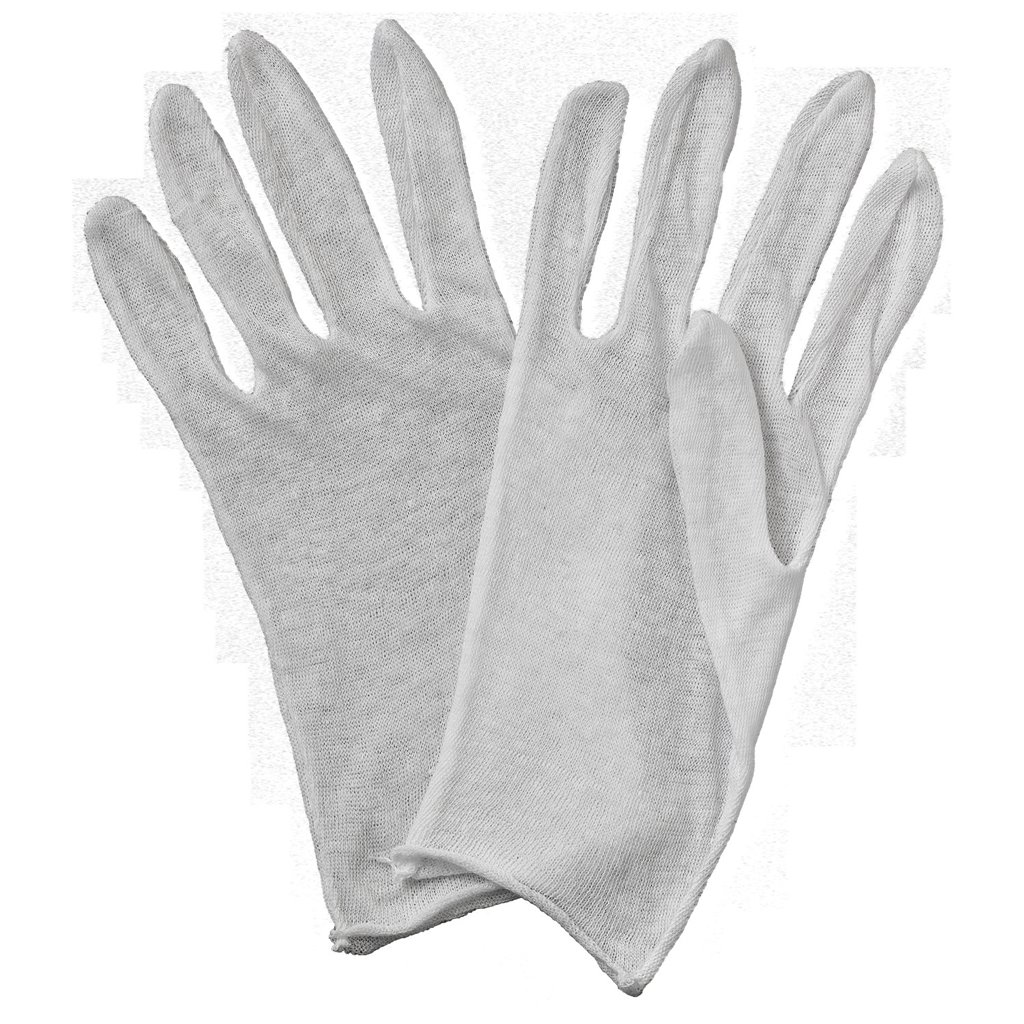
- Nylon: Our nylon inspection gloves provide low-lint, seamless protection for cleanroom and electronics work. These gloves offer a lightweight barrier and reversible design for extended wear. Pair them with nitrile finger cots or latex free finger cots when you need added fingertip coverage without compromising cleanliness.
- Polyester: Polyester gloves combine comfort and control in low-shed applications where full-hand coverage is essential. These white inspection gloves are ideal for sterile or critical environments and can be worn under finger gloves or used alone when you need dependable hand protection.
With so many options available, you can match your protective gear to your team's specific tasks, comfort needs, and environment.
Applications and Use?Scenarios
Here are some practical scenarios where this gear pays dividends:
- When you handle small, sharp metal components or fasteners and need fingertip protection without reducing dexterity.
- In electronics assembly, where ESD (electrostatic discharge) is a concern and you need finger cots to provide a barrier.
- In medical or laboratory settings, you may use a finger cot to apply topical medication or protect a wounded or sensitive fingertip from contamination.
- In cleanrooms or critical environments, white inspection gloves or seamless knit gloves help maintain cleanliness and particle control.
- In processes where you need partial hand/partial finger coverage (e.g., half finger gloves), so you maintain tactile control while reducing exposure.
- In manufacturing or material-handling roles, you might use finger guards or thumb guards to protect digits that regularly come into contact with equipment or abrasion zones.
How to Choose the Right Product
Here are key factors to consider when selecting finger cots or inspection gloves:
- Material versus sensitivity: If latex allergies are an issue, choose nitrile finger cots or latex free finger cots.
- Single-use vs reusable: Disposable finger cots are great for contamination control; finger guards or thumb guards are better for durable, repeated use.
- Coverage you need: Only fingertip? Use finger cots. Full hand or partial? Use finger gloves or half finger gloves.
- Cleanroom / ESD requirements: If you are working in a controlled environment or handling static-sensitive parts, look for gloves rated for low particle/lint and anti-static properties.
- Fit and dexterity: The product should fit snugly without restricting movement. Rolled edge finger cots help ease donning.
- Comfort and user-fatigue: Seamless knit inspection gloves tend to offer comfort during long-term wear.
Why Buy from Masterman's
When you choose Masterman's you benefit from our decades of experience in protective equipment. We support your selection process, help you pick the correct material and fit, and we stand behind the gear we provide. Whether you need a handful of disposable finger cots or a full rollout of inspection gloves for your workforce, we offer trustworthy service and practical solutions. Feel free to browse our inventory and contact our team for help selecting finger cots, finger gloves, thumb guards, inspection gloves, or finger guards.
Browse our Inspection Gloves & Finger?Cots category today to find the right fingertip-and-hand protection for your team. If you're unsure which option fits your application, contact us and we'll guide you to the right choice.
FAQs
Q1. What is the difference between a finger cot and a full glove?
A finger cot covers only one finger or thumb, offering targeted protection for tasks that don't require full-hand coverage. A full glove (or inspection glove) covers the entire hand and may be better when the full hand is exposed to risk.
Q2. When should I choose latex finger cots versus nitrile or latex free finger cots?
Choose latex finger cots when user allergy is not an issue and you need the fit and feel of natural rubber. Choose nitrile when you need chemical or tear resistance, but still single-use. Choose latex free finger cots when latex sensitivity or allergy is a concern in your workforce.
Q3. Are half finger gloves suitable for inspection tasks?
Yes. Half finger gloves or finger gloves give protection to part of the hand while leaving fingertips free for tactile tasks. They are commonly used in inspection, assembly, or electronics work where fingertip feel is important.
Q4. What are finger guards and thumb guards used for?
Finger guards and thumb guards provide more robust, reusable protection for digits exposed to repeated abrasion, impact, or pinching tasks. They go beyond what disposable finger cots offer for heavy-duty use.
Q5. Do the inspection gloves listed include cleanroom-compatible materials?
Yes. The category includes critical-environment gloves that are seamless knit and reversible, often used in clean-room settings where sterile or low-particle gloves are required.
Material