
Search in Category
Filter Your Search
Material
Color
Categories
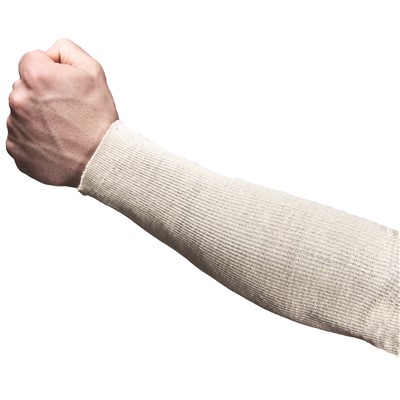
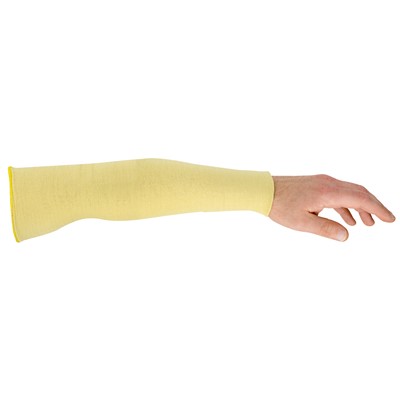
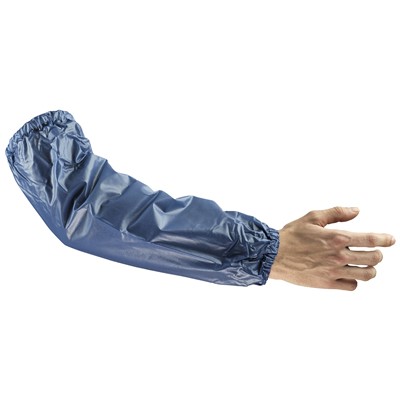
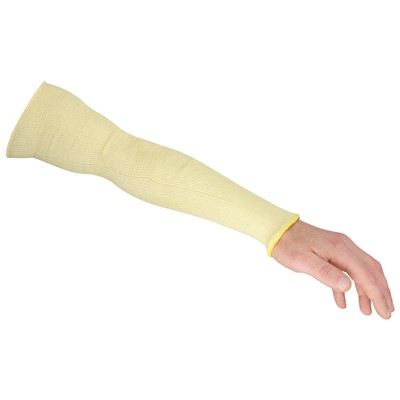
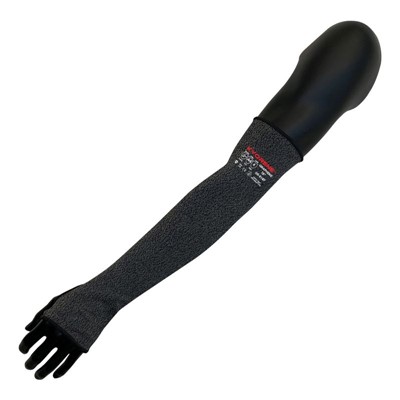
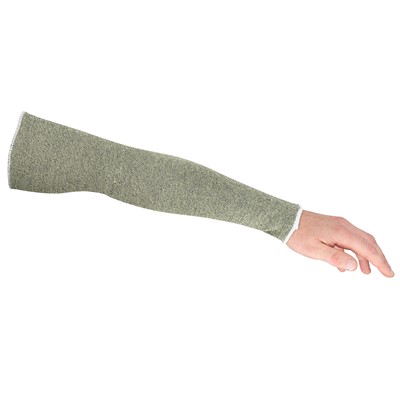
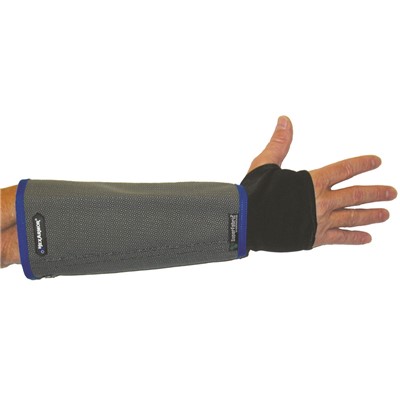
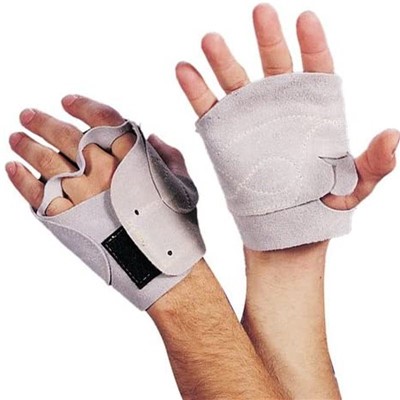
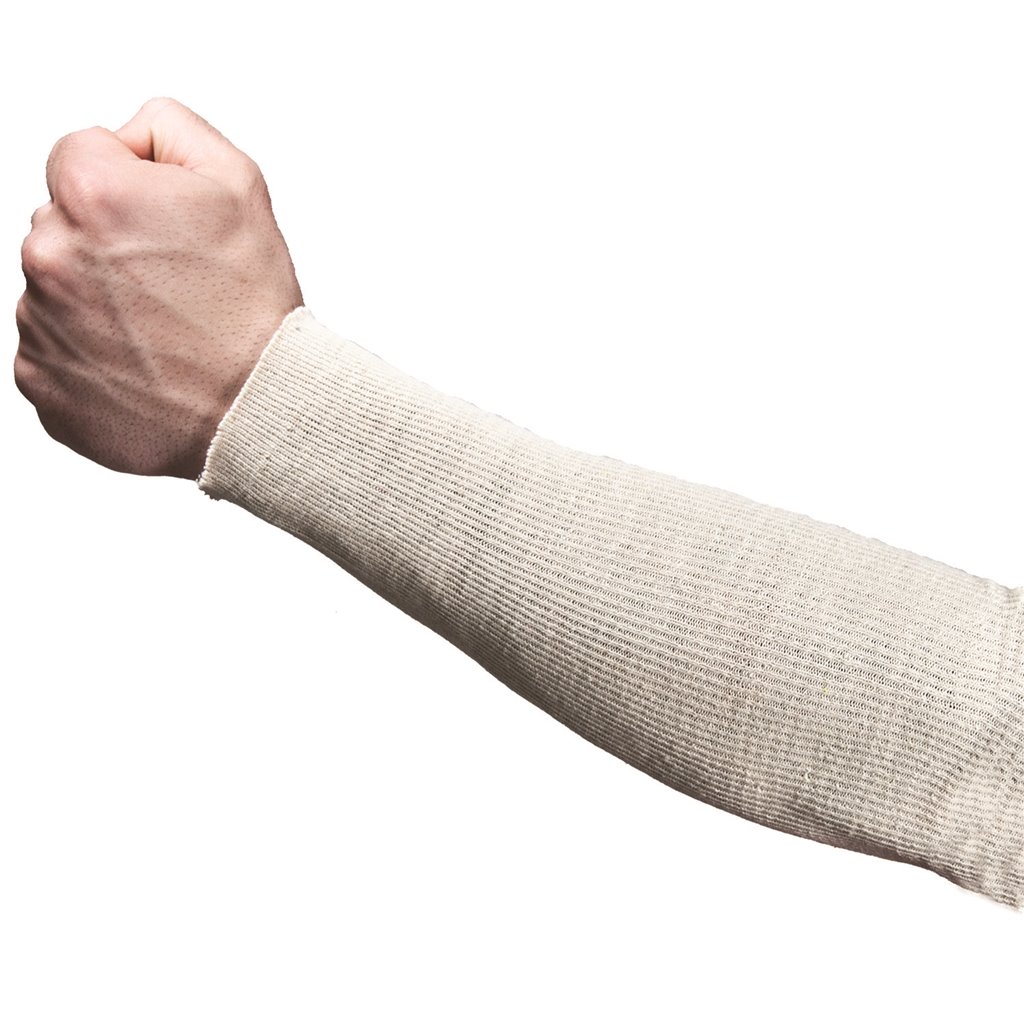
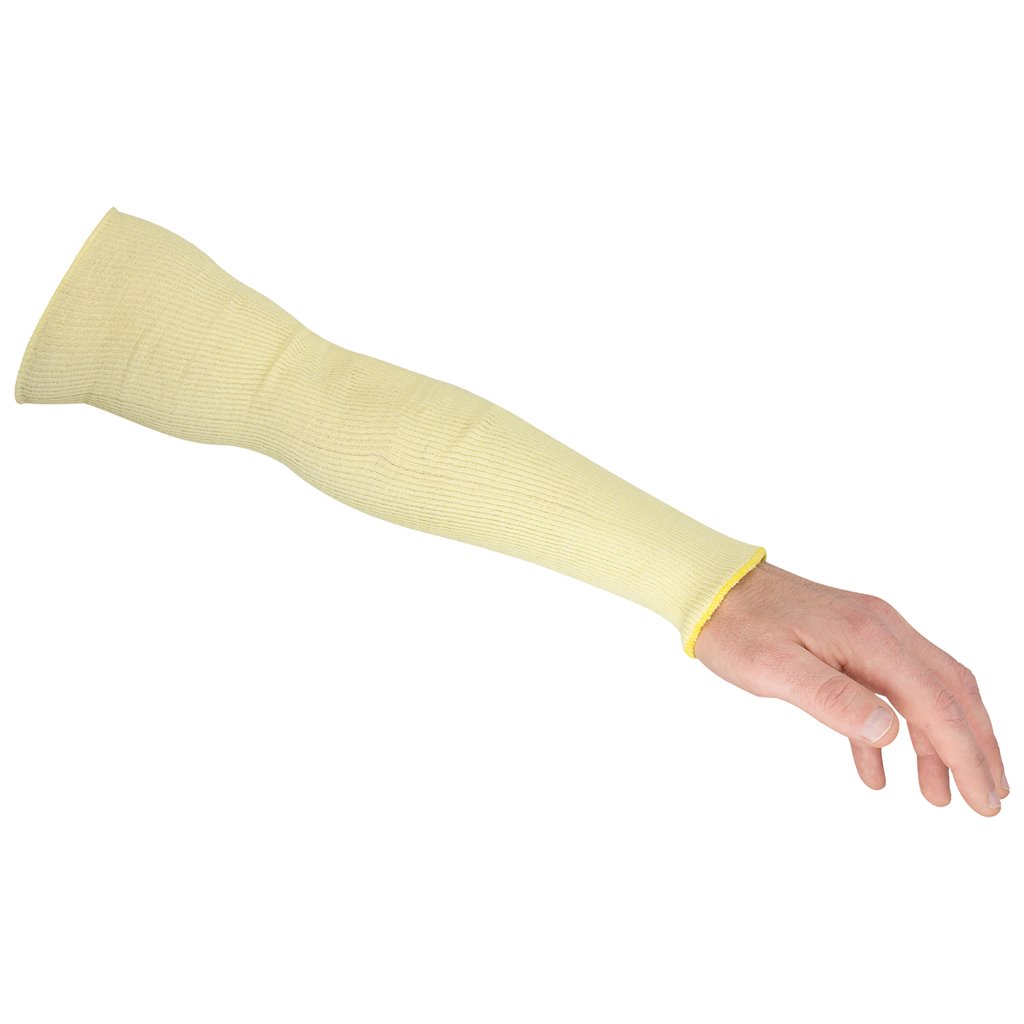
Shop All Protective Arm Sleeves - Cut Resistant Protection Sleeves
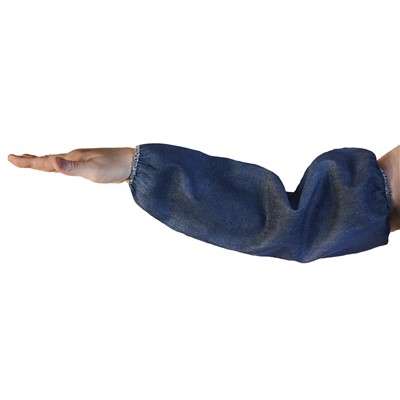
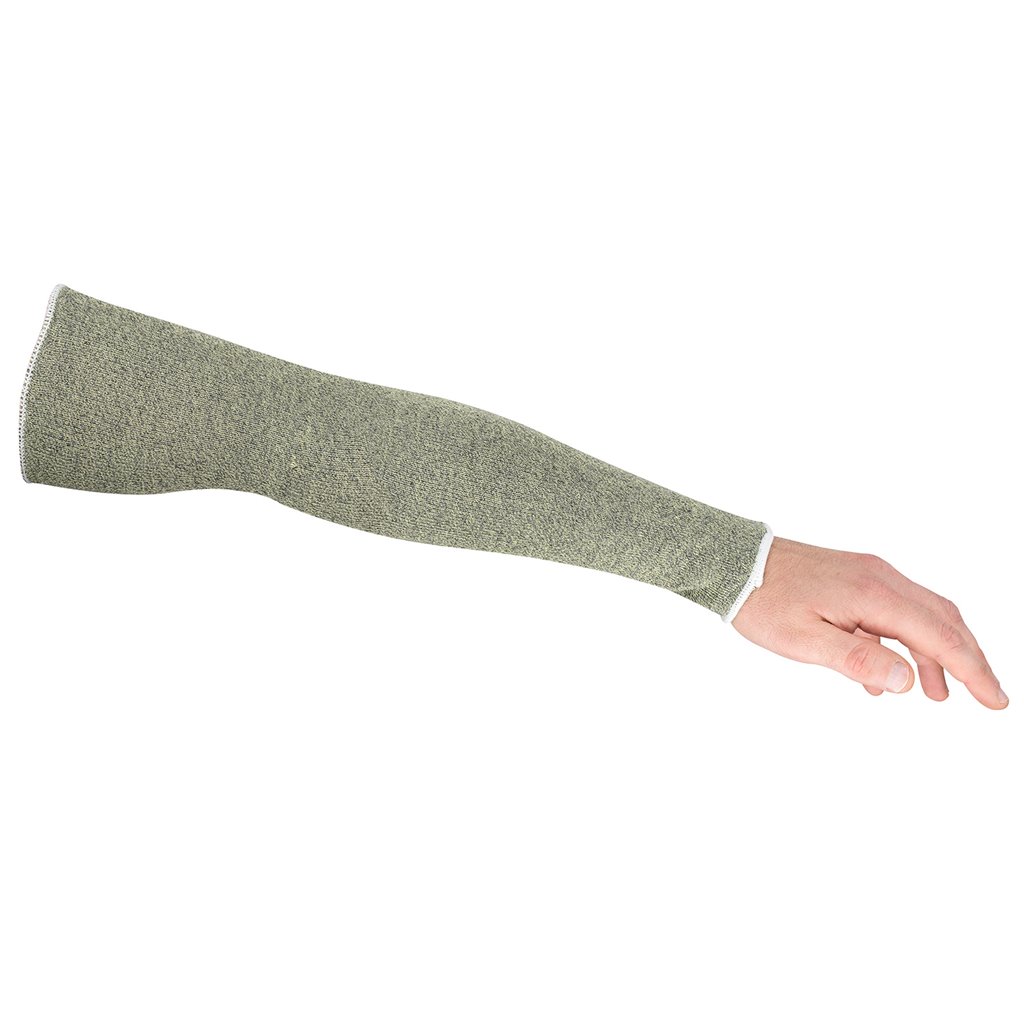
Keystone Safety 18" Polypropylene Sleeves
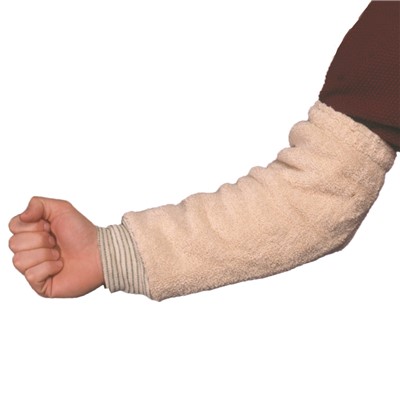
Black Stallion HG-19S Grain Goatskin & FR Cotton Hybrid Welding Sleeves
Don't see what you need?
Click here to let us know and we'll help you find what you're looking for.Protective Sleeves: Cut Resistant, FR Welding, and UV Arm Protection
|
Protective sleeves -- also called safety sleeves or arm protective sleeves -- are PPE garments worn over the forearm and upper arm to protect against cut lacerations, heat and flame from welding and fabrication, and UV radiation during outdoor work. Cut resistant sleeves are rated ANSI/ISEA 105 from Level A2 through A9. FR welding sleeves meet NFPA 2112 or ASTM F1506 for flame resistance. Masterman's carries protective sleeves across all three categories with same-day shipping from Auburn, MA. |
Protective sleeves address a straightforward problem: arm exposure in environments where a full jacket is impractical or too hot, but leaving forearms unprotected is a documented hazard. A glass handler who cannot wear a welding jacket in July, a welder doing tack work who does not want to suit up fully, an outdoor road crew member burning in direct sun for eight hours -- each has a different hazard and a different sleeve specification that solves it.
The mistake is treating safety sleeves as a single product category. Cut resistant arm sleeves, FR welding sleeves, and UV protection sleeves are built from different materials, tested to different standards, and designed for different hazards. Using a cut-resistant Kevlar sleeve as a welding sleeve -- because it is Kevlar and Kevlar sounds heat-resistant -- is a specification error. Using an FR welding sleeve as a cut resistant sleeve in a glass handling environment may leave the worker under-protected on cut level. The sections below separate the three categories clearly.
Cut Resistant Sleeves: ANSI Cut Levels and Material Selection
Cut resistant sleeves extend the protection of a cut-resistant glove up the forearm and arm -- covering the area above the wrist that gloves leave exposed. In glass handling, metal fabrication, sheet metal work, and food processing with blades or sharp edges, forearm lacerations are among the most common recordable injuries. A glove that stops a cut at the palm does nothing for the forearm that contacts the same glass edge on the upswing.
ANSI/ISEA 105 rates cut resistance from Level A1 (lowest) to Level A9 (highest). For most general manufacturing applications, Level A2 to A4 covers the hazard range without sacrificing dexterity or breathability. Glass handling typically requires A4 to A6. Automotive stamping and heavy metal fabrication can run A6 to A9 depending on the edge geometry and contact pressure. Match the ANSI cut level to your hazard assessment -- do not default to the highest level available, as higher cut resistance usually means stiffer, heavier fabric that reduces dexterity for fine work.
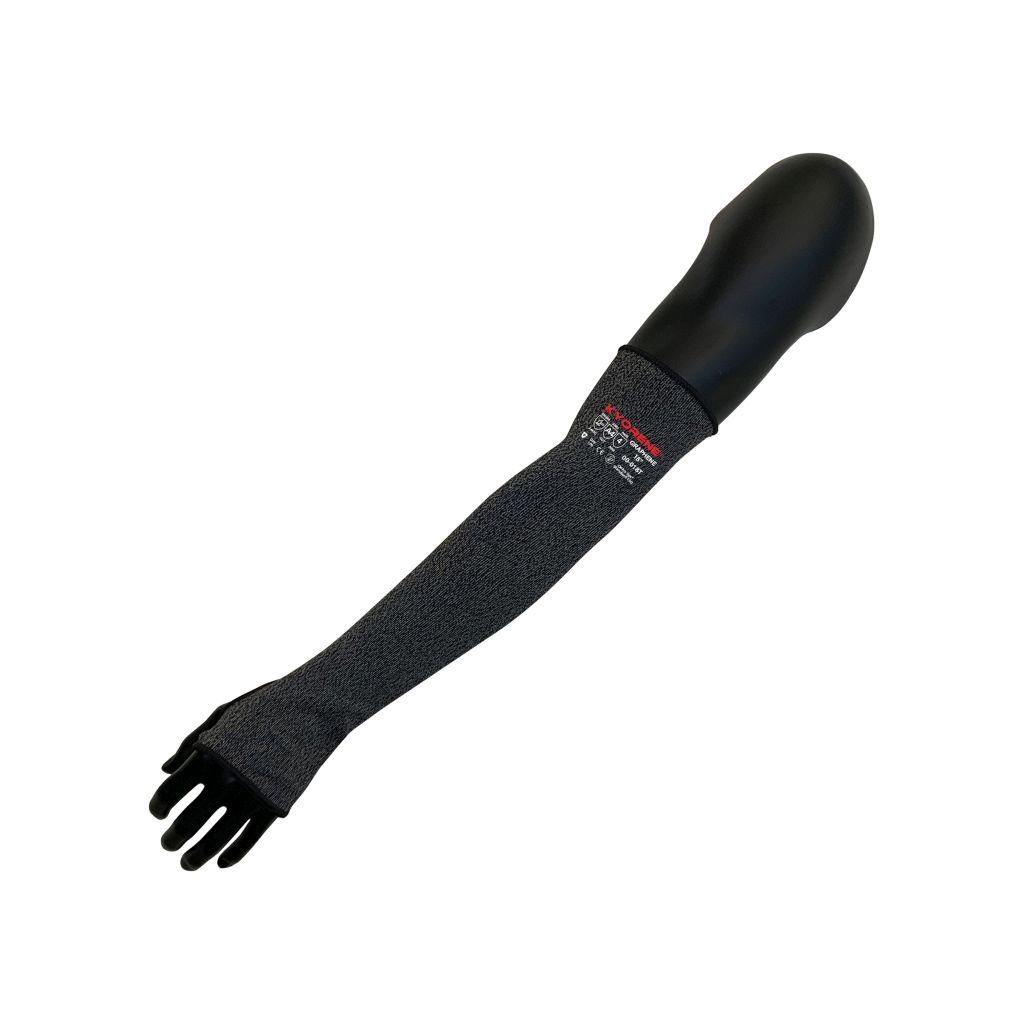
Materials in cut resistant sleeves include Kevlar (para-aramid), HPPE (high-performance polyethylene), Dyneema, Spectra, and blended yarns. Kevlar provides cut resistance with moderate heat resistance and good abrasion performance. Kevlar protective arm sleeves are a strong default choice for mixed-hazard environments where some heat exposure accompanies cut risk. HPPE and Dyneema blends typically achieve higher cut levels at lighter weight, improving compliance in warm environments.
Sleeve length matters. Standard 18-inch protective sleeves cover the wrist to the upper arm and are the most widely used in manufacturing. Shorter 13-inch sleeves work for wrist-to-elbow coverage in bench work. For overhead work where the full arm is exposed, 22-inch or longer options are available. For cut resistant gloves matched to the same ANSI cut level as your sleeves, see our full glove range -- pairing glove and sleeve at the same cut level closes the coverage gap at the wrist junction.
Key brands in cut resistant sleeves at Masterman's: Worldwide, Black Stallion, PIP, and MCR Safety. Worldwide DuPont Kevlar sleeves with thumbhole and 18-inch length are a high-volume item for production floors where full-day forearm protection is required alongside dexterity.
Cut resistant sleeve quick reference:
|
ANSI Cut Level |
Blade contact resistance |
Typical applications |
Common materials |
|
A2 – A3 |
Light to moderate cut hazard |
General manufacturing, assembly, light metal handling |
HPPE, light Kevlar blends |
|
A4 – A5 |
Moderate to high cut hazard |
Glass handling, food processing, sheet metal |
Kevlar, HPPE/steel blends |
|
A6 – A7 |
High cut hazard |
Automotive stamping, heavy fabrication, glass tube work |
Kevlar/steel/glass fibre blends |
|
A8 – A9 |
Extreme cut hazard |
Metal mesh replacement, heavy glass, stamping presses |
Stainless steel core, reinforced blends |
FR Welding Sleeves: Flame Resistance for Hot Work Without the Full Jacket
FR welding sleeves give welders, fabricators, and metal workers targeted arm protection during hot work without the bulk and heat retention of a full welding jacket. On a 90-degree New England summer day, a welder doing intermittent tack welds on a construction site is not going to wear a full jacket for four hours of mixed work -- but their forearms are directly in the arc flash and spatter zone. FR welding sleeves close that gap.
The correct specification for welding sleeves is the same as for FR workwear: NFPA 2112 for flash fire environments and ASTM F1506 for arc-rated protection. A sleeve marked 'flame resistant' without a standard reference is marketing language, not a performance claim. Masterman's carries FR welding sleeves meeting these standards from Black Stallion -- a brand built specifically for welding environments.
Black Stallion FR welding sleeves in 9oz TruGuard flame-resistant fabric are a high-volume item for New England fabrication shops and construction sites. The 9oz weight provides meaningful thermal protection against spatter and incidental flame contact without the stiffness of heavier aluminized or leather alternatives. For TIG welding where spatter is minimal but heat and arc exposure are sustained, lighter para-aramid blend sleeves provide better dexterity.
FR sleeves work in combination with welding gloves and FR coats and jackets to build a complete upper-body protection system matched to the arc energy and task duration of the specific welding process. For full-shift MIG or stick welding, a jacket is the right specification. For intermittent tack work, short-duration welding runs, or hot work in warm environments, FR sleeves paired with FR workwear base layers are the practical choice that gets worn.
Brands for FR welding sleeves at Masterman's: Black Stallion (TruGuard FR cotton), Worldwide DuPont (Kevlar FR blends), and MCR Safety. Available in 18-inch standard length with thumb loop for secure positioning.
UV Protection Sleeves: Arm Coverage for Outdoor Crews
Outdoor workers -- road construction crews, utility linemen, agricultural workers, landscapers -- face sustained UV exposure across full work shifts from May through September. Long sleeves are the most effective UV protection available, but standard workwear long sleeves in heavy cotton or canvas are uncomfortable in summer heat. UV protection arm sleeves in moisture-wicking polyester or lightweight nylon provide UPF 50+ sun protection in a lightweight, breathable sleeve that workers actually wear through the full shift.
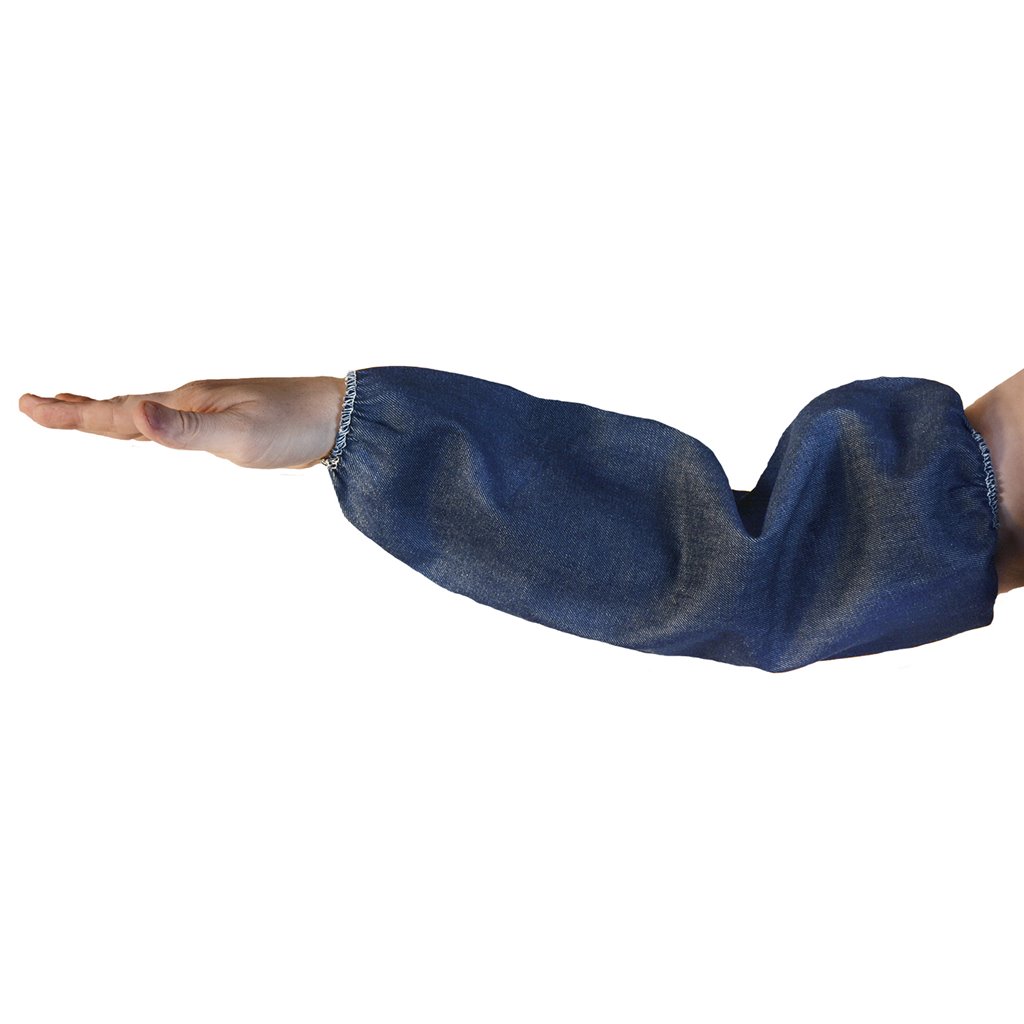
100 cotton arm sleeves remain popular for outdoor work despite lower UV protection efficiency -- cotton feels cooler to some workers and is familiar. For maximum UV protection with comfort, UPF-rated polyester blends with moisture management outperform cotton in both UV blocking and heat management. For crews in hi-vis environments, yellow arm sleeves in high-visibility color provide both sun protection and increased visibility for road construction and utility workers operating near traffic.
UV sleeves also serve a secondary protective function: they reduce surface skin contact with irritants including plant oils (poison ivy, poison oak), insect exposure, and concrete dust in outdoor environments. For New England outdoor crews working in wooded or brushy terrain, full arm coverage is a practical tick and contact dermatitis prevention measure alongside sun protection. Pair UV sleeves with moisture-wicking shirts for a complete warm-weather outdoor work layer system.
Shop Protective Sleeves at Masterman's
Browse the full protective sleeves selection. Cut resistant, FR welding, and UV protection sleeves in stock from Black Stallion, Worldwide, PIP, MCR Safety, and Ergodyne. Free samples available on most sleeve styles -- critical for cut level verification and fabric comfort assessment before committing to a floor-wide order. Same-day shipping from Auburn, MA on orders placed before 3 PM EST. Call 800-525-3313 for cut level specification assistance, FR standard verification, or bulk pricing.
|
Why buy from Masterman's
|
Frequently Asked Questions: Protective Sleeves
1. What are safety sleeves used for?
Safety sleeves -- also called protective sleeves or arm protective sleeves -- are PPE garments worn over the forearm and arm to protect against cut lacerations, flame and weld spatter, and UV radiation. The correct type depends on the hazard: cut resistant sleeves for glass, metal fabrication, and food processing; FR welding sleeves for hot work without a full jacket; and UV protection sleeves for outdoor crews in sustained sun exposure. Each type is built from different materials and tested to different standards.
2. What ANSI level cut resistant sleeves do I need?
The ANSI/ISEA 105 cut level required depends on the sharpness and contact force of the hazard your workers face. A2-A3 covers general manufacturing and light metal handling. A4-A5 is standard for glass handling and food processing with blades. A6-A7 covers automotive stamping and heavy metal fabrication. A8-A9 is for extreme cut hazards including stamping presses and heavy glass work. Your hazard assessment should document the specific cut energy level to select the correct specification -- do not default to the highest level, as higher cut resistance typically reduces dexterity.
3. What are Kevlar arm sleeves used for?
Kevlar (para-aramid fiber) arm sleeves provide combined cut resistance and moderate heat resistance in a single lightweight sleeve. They are the standard choice for glass handling, general manufacturing, and mixed environments where both cut and heat hazards are present. Kevlar protective arm sleeves are rated from ANSI A2 to A4 in most commercial constructions. For extreme cut hazards above A5, blended yarns incorporating steel or glass fibre cores are typically specified.
4. Can FR welding sleeves replace a welding jacket?
FR welding sleeves protect the forearms and arms but leave the torso unprotected. They are appropriate for intermittent tack welding, short-duration hot work runs, and warm-environment welding where a full jacket is impractical for the task duration. For full-shift MIG, stick, or sustained arc welding operations, a full FR welding jacket is the correct specification. FR sleeves work best as part of a layered system -- FR base layer covering the torso with FR welding sleeves over the arms for the specific task where arm exposure is the primary hazard.
5. What is the difference between cut resistant sleeves and FR welding sleeves?
Cut resistant sleeves are rated to ANSI/ISEA 105 for blade and sharp-edge cut lacerations -- they protect against cutting hazards in glass, metal, and food processing environments. FR welding sleeves are rated to NFPA 2112 or ASTM F1506 for flame resistance and spatter protection -- they protect against arc flash, open flame, and weld spatter. Some sleeves carry both ratings in Kevlar or para-aramid construction, but a sleeve marketed only as cut resistant is not necessarily flame resistant, and a standard cotton FR sleeve is not cut resistant. Verify both ratings if both hazards are present.
6. Where can I buy protective sleeves with same-day shipping in New England?
Masterman's carries cut resistant, FR welding, and UV protection sleeves in stock at our Auburn, MA warehouse -- same-day shipping on orders placed before 3 PM EST. Free samples available on most sleeve styles before bulk orders. We serve manufacturing, fabrication, construction, and industrial operations across Massachusetts, Connecticut, Rhode Island, New Hampshire, Vermont, and Maine. Call 800-525-3313 or visit mastermans.com/catsearch/301/protective-sleeves.