
Search in Category
Filter Your Search
Color
Type
Categories
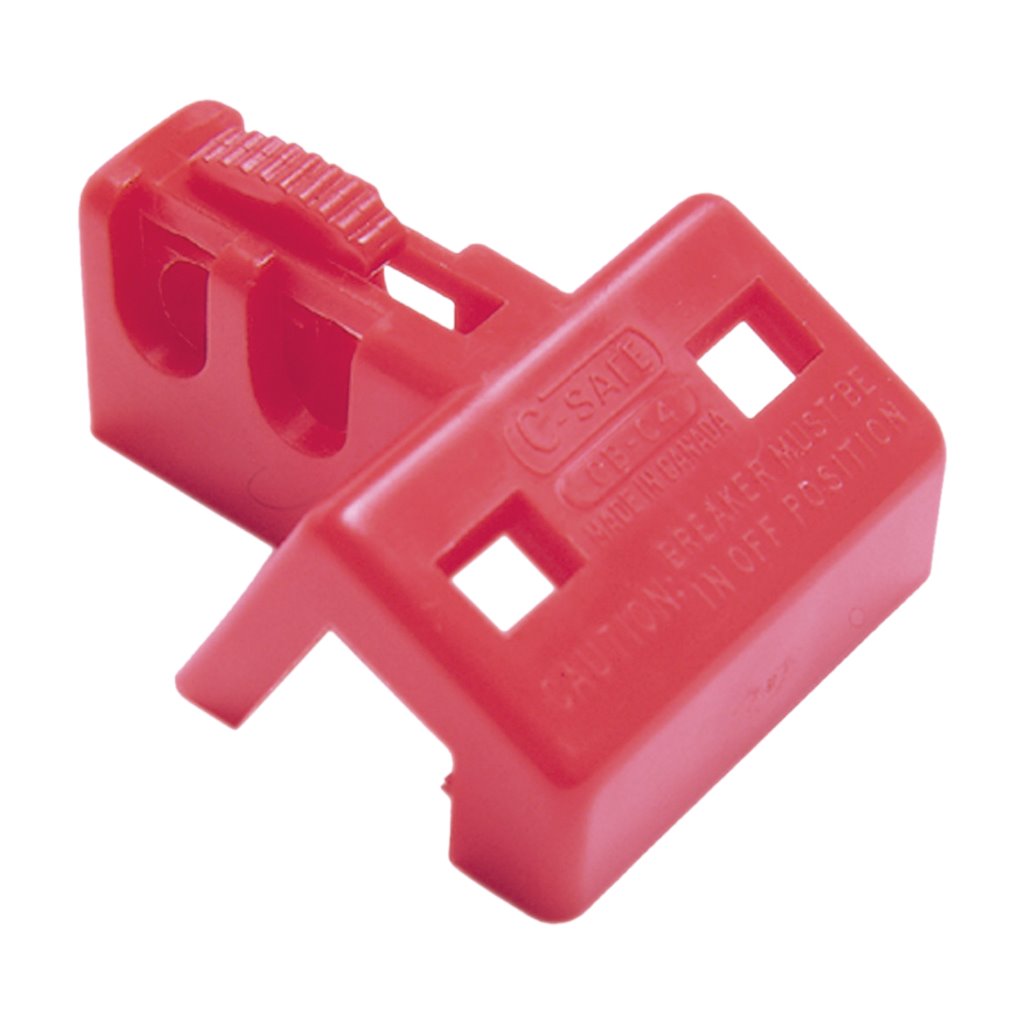
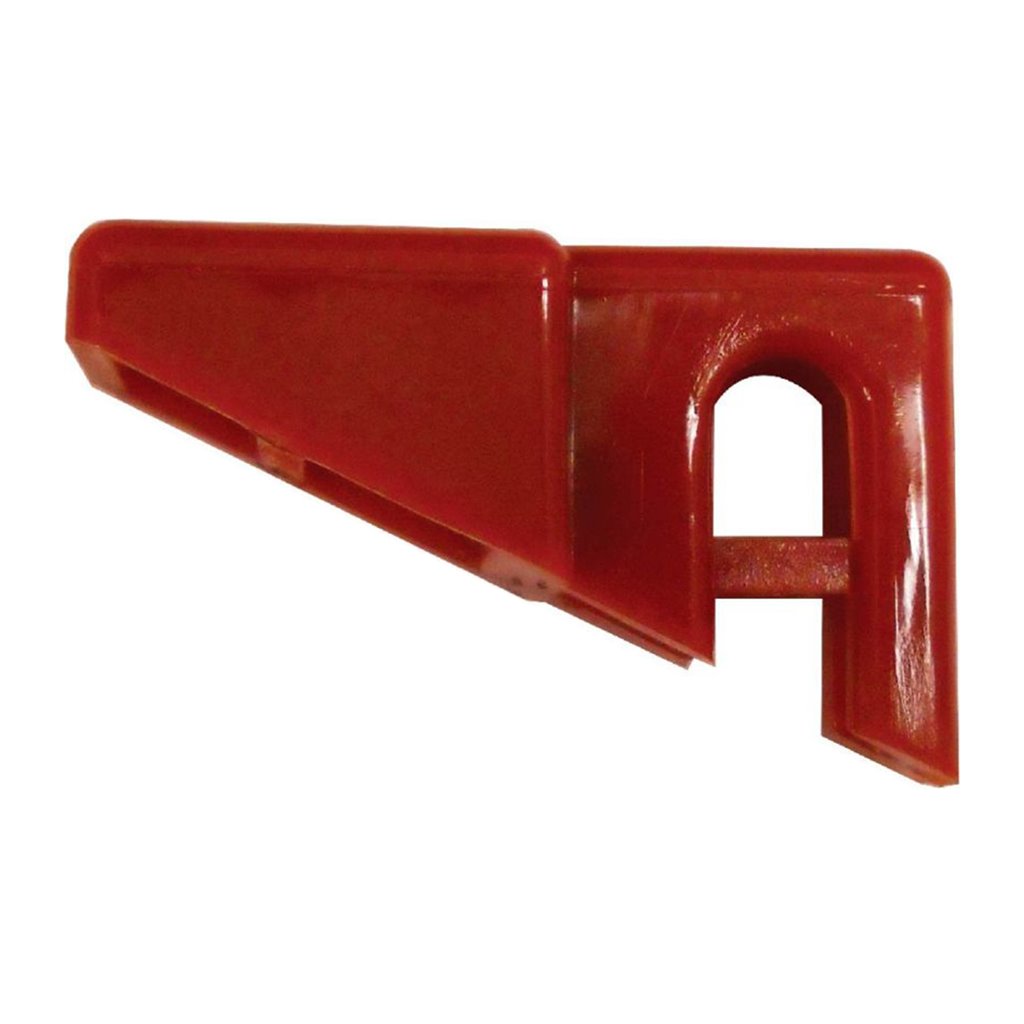
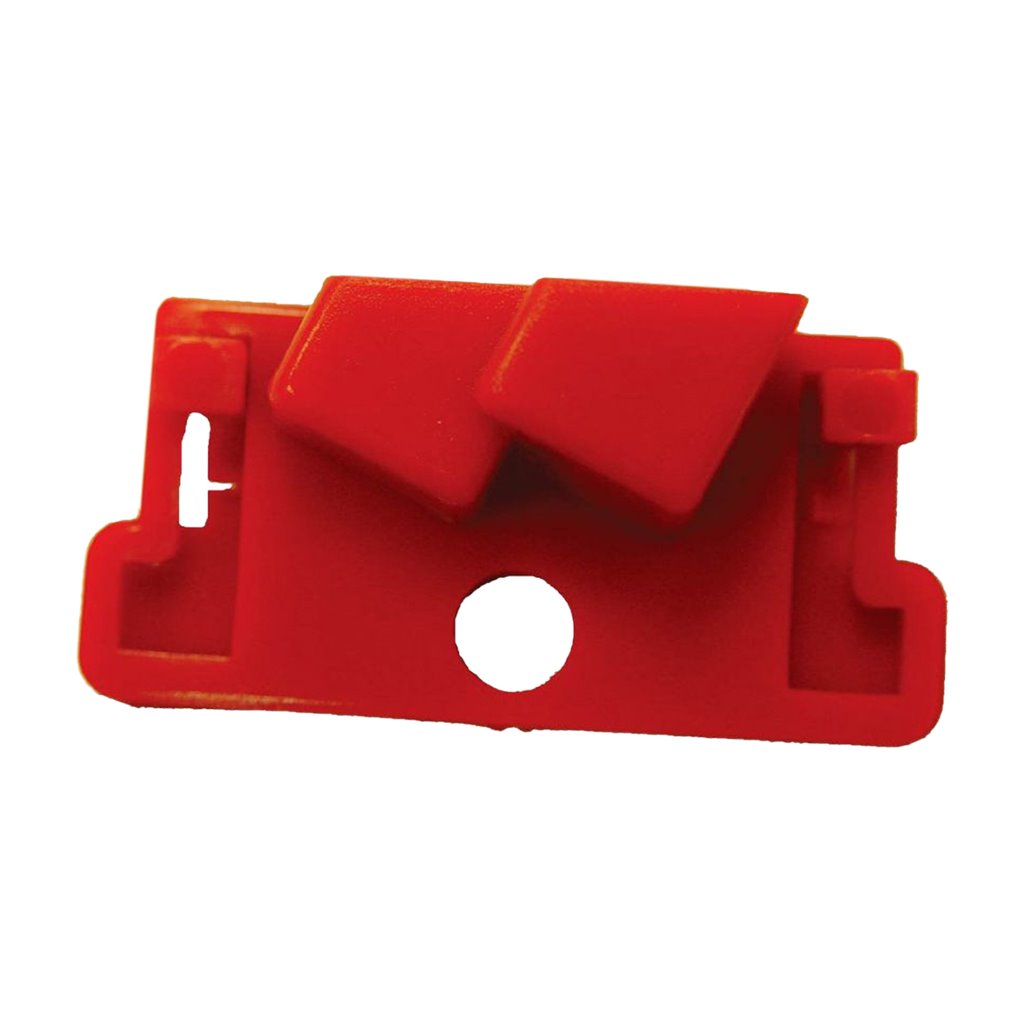
Shop All Padlocks - Circuit Breakers Lockouts - Valve Lockouts
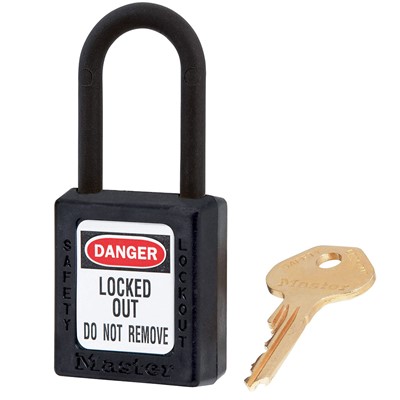
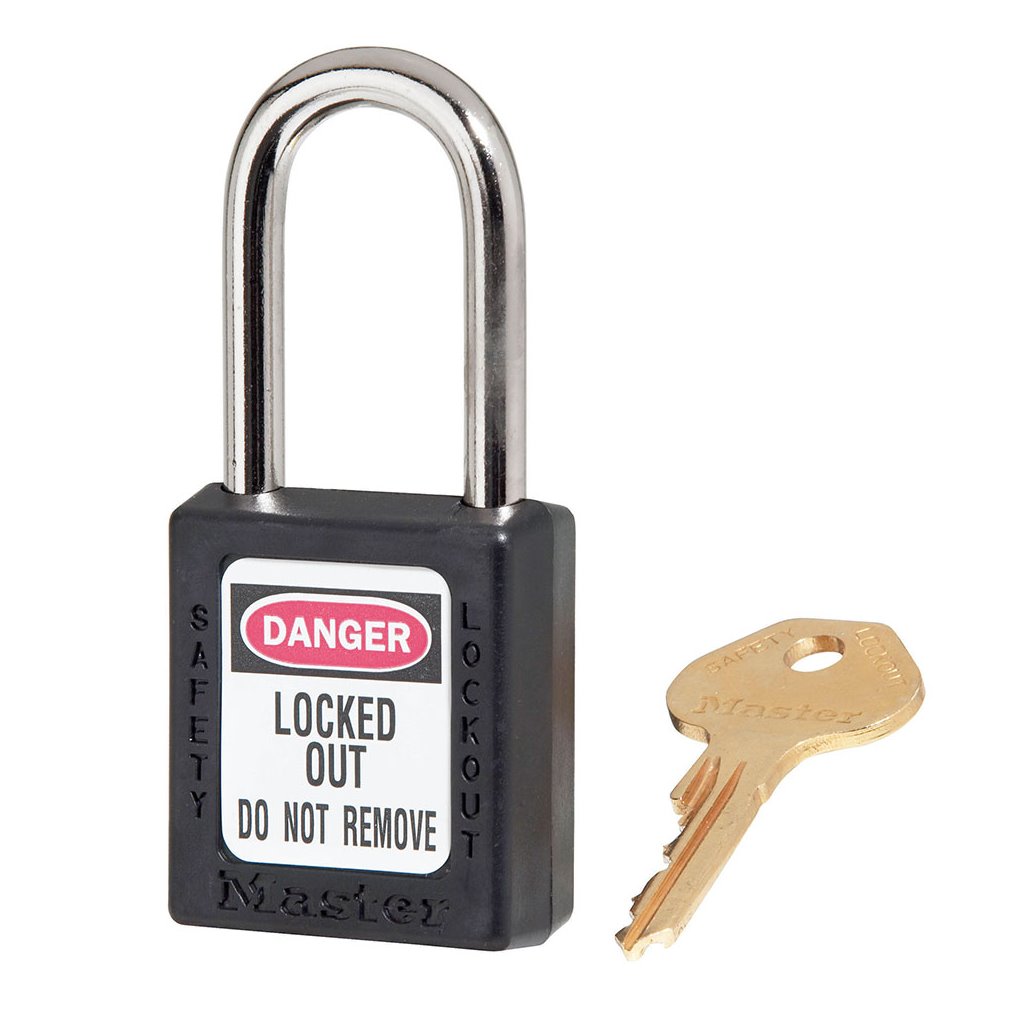
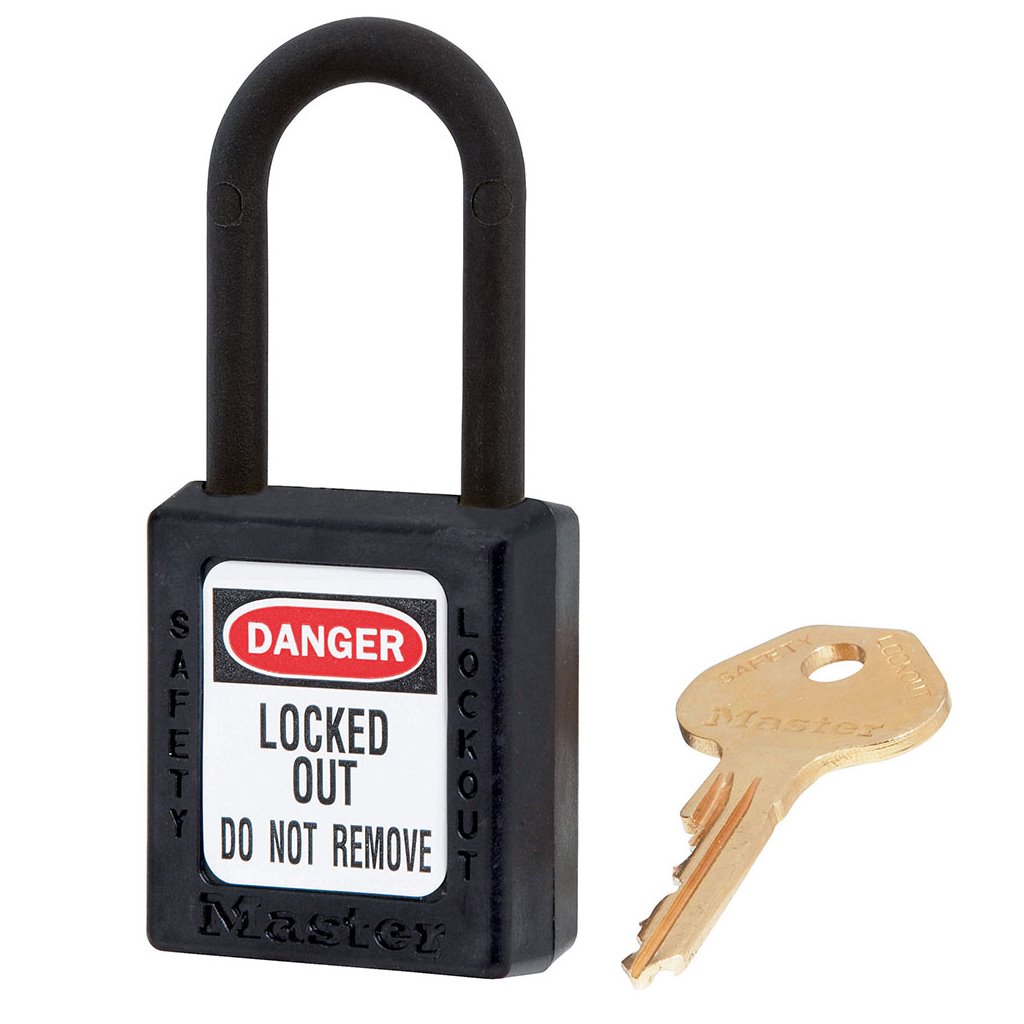
Master Lock Zenex 410KA Thermoplastic Safety Padlock
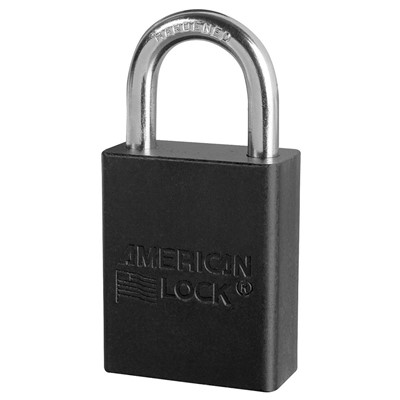
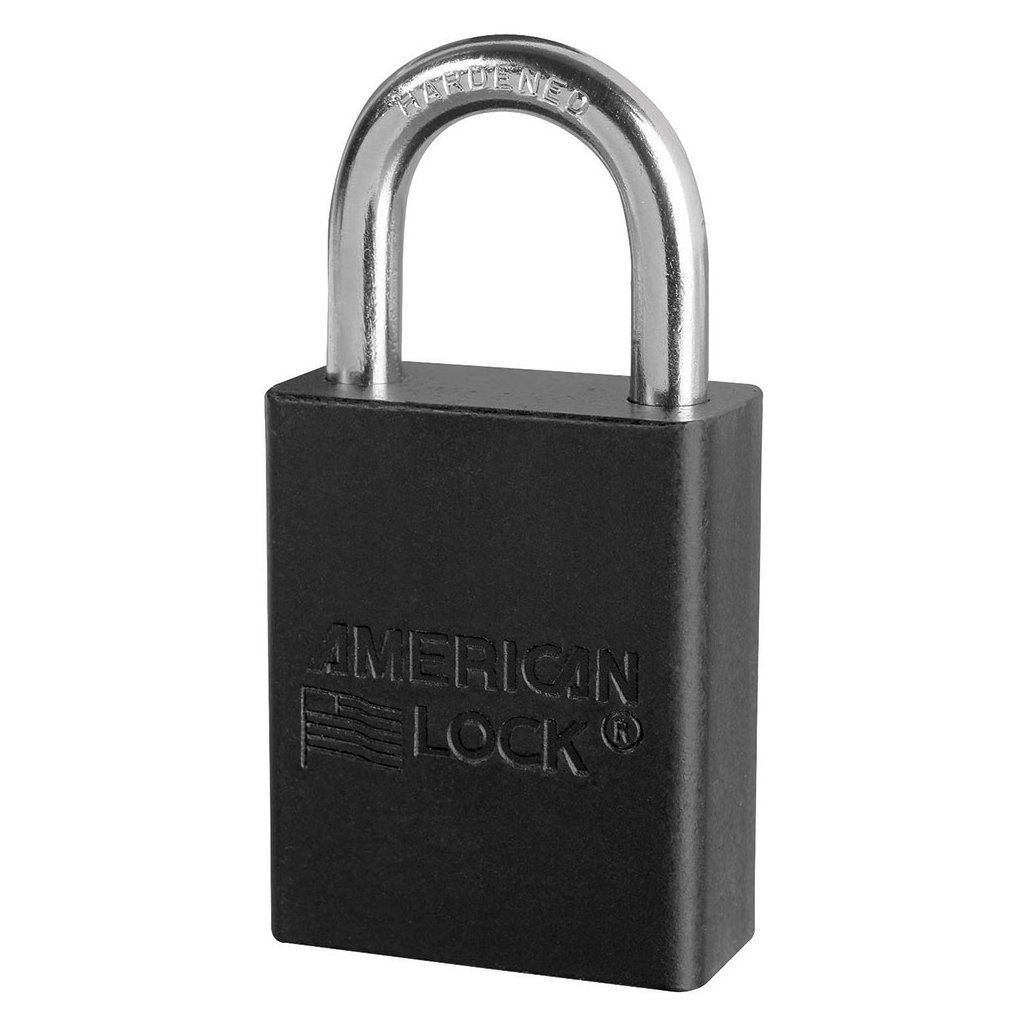
Master Lock Anodized Aluminum A1105 Safety Padlock
Master Lock Zenex Thermoplastic Safety Padlock
Master Lock Zenex Thermoplastic Safety Padlock with Dielectric Shackle
Master Lock 3KALH Black Laminated Steel Safety Lock
MasterLock 411KA-RED Zenex Safety Padlock
Don't see what you need?
Click here to let us know and we'll help you find what you're looking for.Lockout Devices: Safety Padlocks, Valve Lockouts & More
When workers service, maintain, or repair machinery, they depend on lockout devices to physically prevent unexpected energy release. Masterman's carries 51 OSHA-compliant lockout devices, from safety padlocks and cable lockouts to valve lockouts, plug lockouts, and group lock boxes, sourced from the most trusted names in workplace safety: Master Lock, Honeywell, and AccuformNMC.
Whether you're building a new LOTO program from scratch, replacing worn security padlocks, or outfitting a multi-worker group lockout procedure, our selection of safety locks and lockout devices covers every energy source and every application.
What Are Lockout Devices and Why Are They Required?
Lockout devices are physical security devices that hold an energy-isolating mechanism, such as a circuit breaker, valve, or electrical plug, in the safe (de-energized) position, preventing equipment from being started or re-energized while maintenance is in progress.
OSHA standard 29 CFR 1910.147 (The Control of Hazardous Energy) requires employers to provide lockout devices whenever workers perform servicing or maintenance where unexpected energization or startup could cause injury. The devices must be durable, standardized, substantial (not easily removable without force or special tools), and identifiable, clearly indicating the employee who applied them.
The six categories of hazardous energy that lockout devices protect against are electrical, mechanical, hydraulic, pneumatic, chemical, and thermal. Masterman's carries devices engineered to secure all six.
Types of Lockout Devices — What's in Our Catalog
Here is a complete overview of the six lockout device types available at Masterman's, with key products and specifications:
|
Device Type |
Key Products / Brands |
Colors |
Notes |
|
Safety Padlocks (44) |
Master Lock Zenex 410KA / 411KA, Anodized Aluminum A1105, 5KA Laminated Steel, 3KALH |
Up to 11 colors |
Keyed alike & keyed different; thermoplastic, aluminum, steel bodies |
|
Valve Lockouts (2) |
AccuformNMC Ball Valve Lockout (LOT-KDD44_) |
Red |
Prevents accidental opening of ball valves during system maintenance |
|
Plug Lockouts (2) |
Honeywell Electrical Plug Lockout (LOT-LP series) |
Varies |
Conceals and locks electrical plug ends; prevents accidental re-energization |
|
Lock Boxes / Group Lockout (1) |
Master Lock Latch Tight Portable Group Lock Box 498A |
Gray / Standard |
Accommodates up to 12 workers on a single group lockout procedure |
|
Electrical Cable Lockout Device (1) |
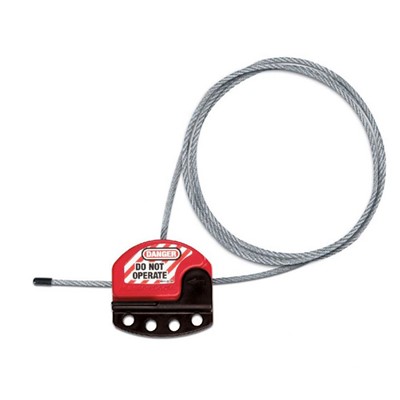
AccuformNMC Electrical Cable Lockout |
Red |
Secures cable-operated disconnects and general electrical shutoffs |
|
General Application Lockout Device (1) |
AccuformNMC General Application Lockout |
Red |
Versatile device for non-standard lockout points not covered by dedicated devices |
Color-Coded Safety Padlocks — Building a Structured LOTO Program
One of the most effective ways to manage a LOTO program across a large facility is through color-coded safety padlocks. Masterman's Master Lock padlocks are available in 11 colors, enabling facilities to implement a structured color code system:
- Red — Electrical hazards/authorized electricians
- Black — Mechanical energy/maintenance technicians
- Blue — Hydraulic systems/fluid mechanics
- Green — Pneumatic energy/compressed air systems
- Yellow — Chemical/process line maintenance
- Orange — Thermal/heat energy sources
- Purple — Contractor or visitor lockouts
- Teal — Confined space or specialized procedures
- Brown, Clear, Gray — Facility-specific assignments
Color coding is not mandated by OSHA but is widely adopted as a best practice that speeds identification, reduces errors, and strengthens overall LOTO program management.
How to Choose the Right Lockout Device
1. What type of energy source needs to be isolated?
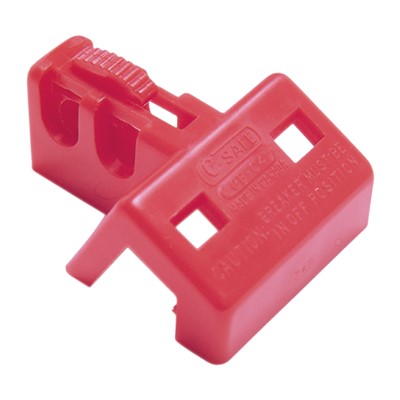
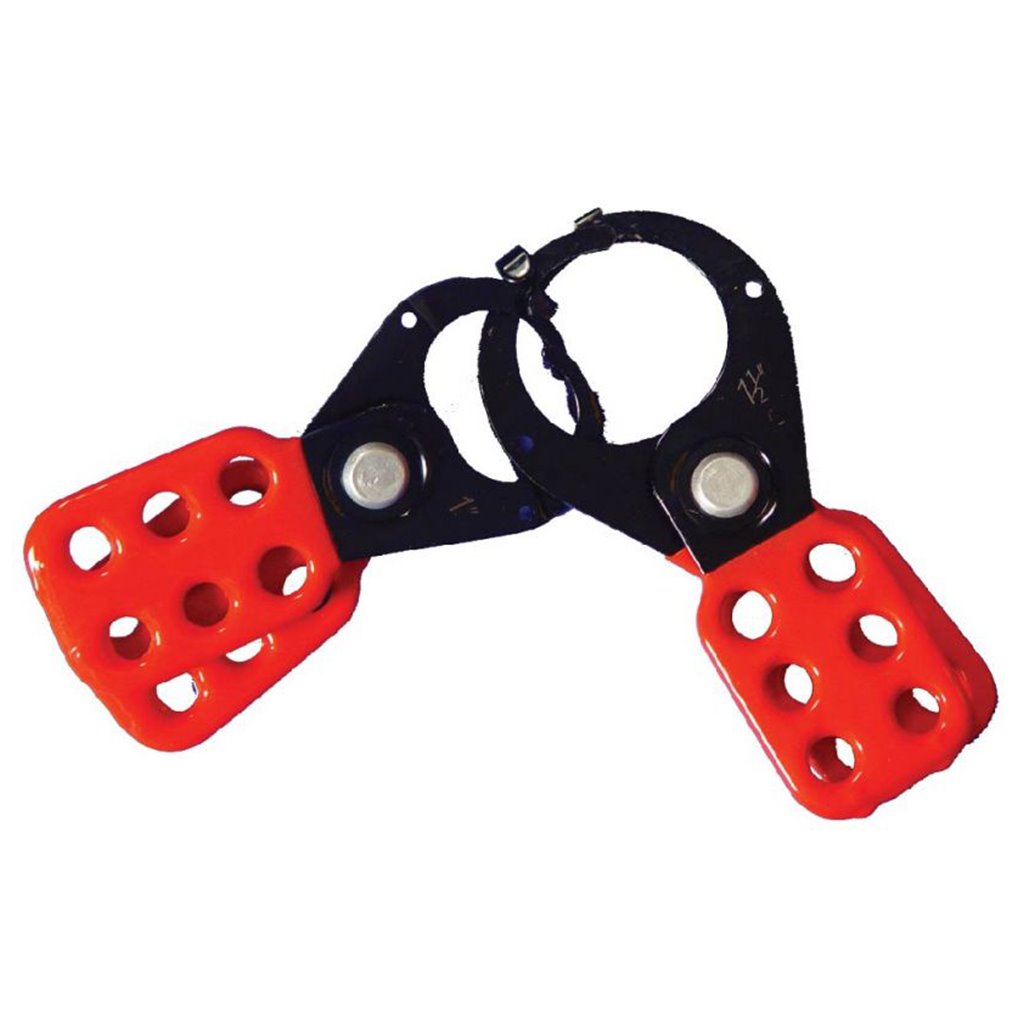
- Electrical panel or circuit breaker — Safety padlock + hasp or circuit breaker lockout device
- Cord-connected equipment — Electrical plug lockout
- Ball valve or gate valve — Valve lockout device
- Cable-operated disconnect — Electrical cable lockout device
- Multi-worker procedure — Group lock box + individual padlocks
2. What environment will the device be used in?
- Harsh industrial / outdoor / chemical exposure — Anodized aluminum (A1105) or heavy-duty steel (5KA, 3KALH) safety padlocks
- General indoor industrial use — Zenex thermoplastic (410/411 series) — lightweight and corrosion-resistant
- Near live electrical equipment — Zenex with dielectric shackle (406 series) — non-conductive shackle for electrical safety
- Weather-resistant applications — Laminated steel padlocks offer the best outdoor durability
3. Keyed alike or keyed different?
- Keyed Alike (KA) — One key operates all padlocks in the set. Ideal for supervisors and safety managers who need access to all lockout points.
- Keyed Different (KD) — Each padlock has a unique key. Ensures only the authorized employee who applied the lock can remove it — the standard OSHA LOTO requirement.
4. Do you need a combination safety padlock?
- Combination padlocks eliminate the need to manage keys, making them useful for facilities where contractors or infrequent visitors need to perform lockouts without being issued a keyed padlock. Note: combination padlocks must still be individually coded to each authorized worker.
Frequently Asked Questions About Lockout Devices & Safety Padlocks
1. What is a safety padlock?
A safety padlock is a padlock specifically designed for use in Lockout Tagout (LOTO) safety programs. Unlike standard commercial padlocks, safety padlocks are available in standardized bright colors for color-coded LOTO programs, have bodies clearly marked with safety messages, and are built to meet OSHA 29 CFR 1910.147 requirements for lockout devices — meaning they must be durable, substantial, and identifiable. Common types include thermoplastic, anodized aluminum, and laminated steel safety padlocks.
2. What is the difference between a safety padlock and a regular padlock?
A safety padlock is purpose-built for industrial lockout tagout procedures, while a regular padlock is designed for general security. Key differences include: safety padlocks are available in standardized LOTO colors (red, blue, yellow, etc.) for quick identification; they are often keyed differently so only the authorized worker can remove their own lock; their bodies frequently carry safety messages like 'Do Not Operate'; and they are engineered to withstand industrial environments — chemical exposure, temperature extremes, and physical impact. Regular padlocks are not designed or tested to these standards.
3. How does a safety padlock work?
A safety padlock works like a standard padlock but is used in the context of an energy control procedure. The authorized worker shuts down equipment, isolates the energy source using a hasp, valve lockout, or other device, and then threads the shackle of their safety padlock through the hasp hole. The padlock is locked, and only that worker holds the key. This physically prevents the energy source from being restored until the worker completes the job and removes their padlock.
4. Are safety padlocks waterproof and suitable for outdoor use?
It depends on the material. Master Lock Zenex thermoplastic padlocks (410/411 series) are corrosion-resistant and suitable for most indoor industrial environments. For outdoor or harsh weather applications, laminated steel (5KA, 3KALH) or anodized aluminum (A1105) safety padlocks offer better weather resistance. The A1105 anodized aluminum body provides excellent corrosion protection for permanent outdoor lockout points.
5. What materials are safety padlocks made of?
Safety padlocks are commonly made from three materials: thermoplastic (Zenex) — lightweight, corrosion-resistant, available in many colors, ideal for general industrial use; anodized aluminum — harder and more corrosion-resistant than thermoplastic, good for outdoor or chemically aggressive environments; and laminated steel — the heaviest-duty option, offering maximum physical security and durability for high-security lockout points or outdoor applications.
6. What is the best safety padlock for outdoor use?
For outdoor use, the Master Lock Anodized Aluminum A1105 and the Laminated Steel 5KA are the best safety padlocks available from Masterman's. The A1105 anodized aluminum body resists corrosion from moisture and chemicals, while the 5KA steel laminated body offers maximum durability against physical impact and weather. Both are available in keyed alike or keyed different configurations.
7. Can safety padlocks be picked?
Safety padlocks from reputable manufacturers like Master Lock are designed with anti-pick pin cylinder mechanisms that resist picking. However, no padlock is completely pick-proof. The security purpose of a LOTO safety padlock is not to prevent a determined intruder from forcing it open — it is to create a visible, OSHA-required barrier that prevents accidental re-energization and clearly identifies the authorized worker responsible for the lockout.
8. Are lockout devices required by OSHA?
Yes. OSHA 29 CFR 1910.147 requires employers to implement an energy control program — including the use of lockout devices or tagout devices — whenever workers perform servicing or maintenance on equipment where unexpected energization could cause injury. Lockout devices (physical locks) are preferred over tagout-only programs. OSHA estimates that LOTO compliance prevents over 120 fatalities and 50,000 injuries in the U.S. each year.
Shop Lockout Devices at Masterman's
From individual safety padlocks to complete group lockout solutions, Masterman's has the lockout devices your LOTO program needs. Browse the full catalog above or contact our team for personalized product recommendations.